
CTI in brief
CTI is a doctor-led cancer-care team based in Bengaluru. We help you understand your diagnosis, compare treatment options and plan the next step.
- Meet the people caring for you. Our team includes specialists in medical oncology and blood cancers, supported by other clinical and patient-care professionals.
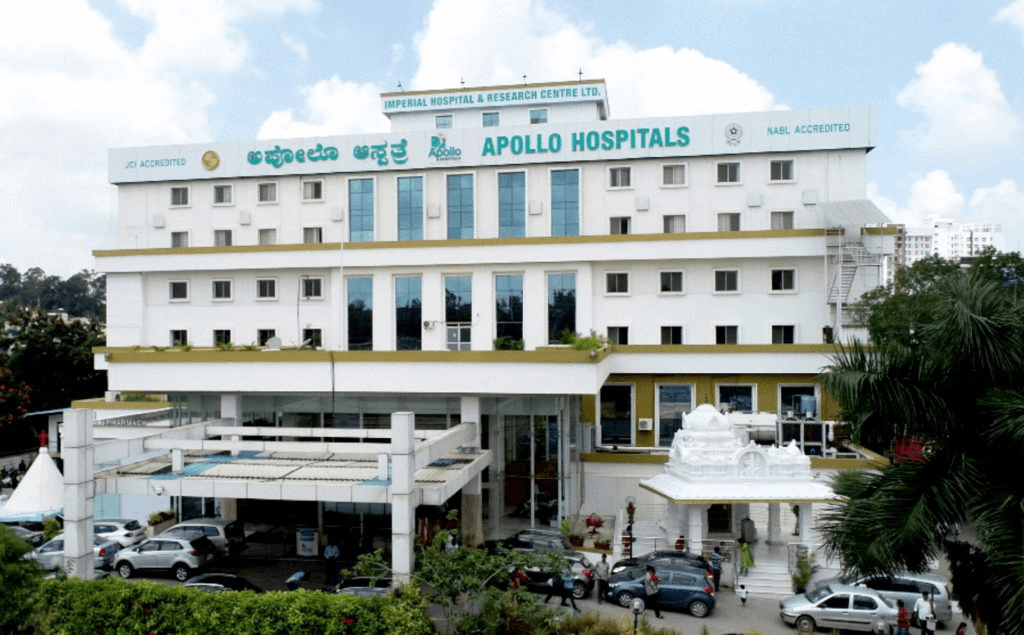
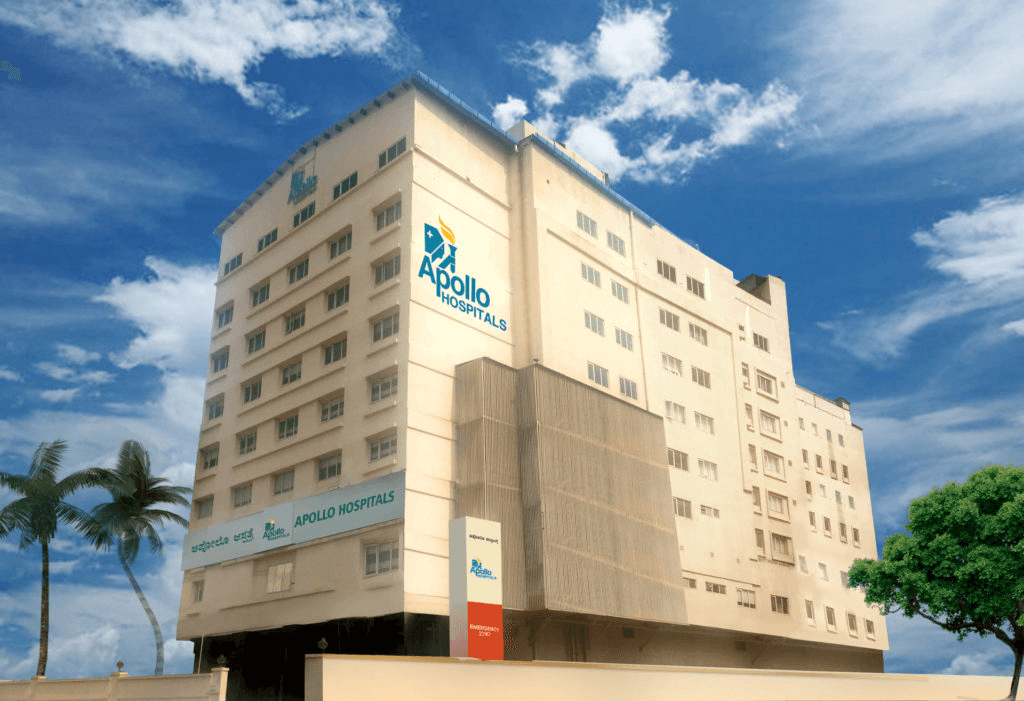
- Know where care happens. CTI is not a hospital. Our doctors provide services through Apollo Hospitals and work with the relevant hospital specialists.
- Expect a plan built around you. Recommendations take account of your cancer, health, previous treatment and priorities. Newer or more expensive treatment is not automatically the right choice.
- Check the right centre. Care is available at several Bengaluru locations. Some specialist services are offered only at selected centres; the team can explain where your care should take place.
Ask us to explain the options, next steps and whom to contact if you need help.
Who We Are
Cancer care should combine clinical excellence with compassion, continuity and clarity.
Modern oncology has changed enormously.
Treatment decisions increasingly depend not only on where a cancer began and how far it has spread, but also on its biology, molecular characteristics, the patient’s general health, previous treatments and, importantly, the patient’s own priorities.
Our role is therefore not simply to prescribe chemotherapy.
We aim to understand the individual patient, establish the diagnosis and extent of disease accurately, identify the available treatment options and then help the patient and family understand:
- What do we know?
- What treatment do we recommend?
- Why do we recommend it?
- What alternatives are available?
- What can realistically be expected?
- And what happens next?
Where appropriate, treatment decisions involve specialists across multiple disciplines, including medical oncology, surgical oncology, radiation oncology, pathology, radiology, nuclear medicine and other relevant specialties.
To help each patient receive the right treatment, for the right reason, at the right time.
Cancer Therapy India and Apollo Hospitals
We believe patients should understand clearly who is caring for them, how their care is organised and where their treatment is delivered.
Cancer Therapy India doctors provide oncology services through Apollo Hospitals at multiple locations across Bengaluru and work collaboratively with Apollo specialists and departments when patients require multidisciplinary or highly specialised care.
Our medical oncology team remains closely involved in the patient’s cancer journey — from the initial consultation and treatment planning through systemic anticancer treatment, assessment of response, management of side effects and follow-up.
Around that treating team sits the much broader Apollo healthcare ecosystem.
Why Does This Matter?
Modern cancer care frequently requires much more than an oncology consultation. It may require:
- Expert pathology and molecular diagnostics
- Advanced radiology and nuclear-medicine imaging
- PET-CT scanning
- Cancer surgery
- Radiation oncology
- Interventional radiology
- Molecular and genomic testing
- Intensive and emergency care
- Blood-bank and transfusion support
- Specialist pharmacy
- Rehabilitation
- Pain and palliative medicine
- Haematology and transplant expertise
- Highly specialised cancer treatments available only at selected centres
Working within the Apollo system means that our patients can access this wider multidisciplinary environment when it is clinically required.
For complex cancers, this is particularly valuable.
Rather than treating medical oncology, surgery, radiotherapy, pathology and imaging as isolated services, we aim to bring the relevant expertise together around the individual patient.
Why Apollo Hospitals?
Apollo Hospitals has played a pioneering role in the development of private tertiary healthcare in India and today has one of the country’s largest integrated healthcare networks.
Apollo Cancer Centres provide comprehensive cancer services across India, bringing together medical oncology, surgical oncology, radiation oncology, haematology, pathology, radiology, nuclear medicine and other specialist disciplines.
The scale of Apollo’s experience in cancer care is considerable, encompassing large numbers of cancer surgeries, chemotherapy treatments, radiation treatments, bone-marrow transplants and advanced imaging procedures across its network.
For our patients, however, the importance of that scale is not simply the numbers.
It is what that scale makes possible.
It provides access to experienced multidisciplinary teams, established clinical systems, sophisticated hospital infrastructure and advanced technologies that may become important at different points in a patient’s cancer journey.
That is why delivering our oncology services through Apollo Hospitals is an important part of the Cancer Therapy India model.
Personal Attention. A Much Larger Network Behind It.
Large hospitals can offer tremendous expertise and technology.
At the same time, cancer treatment can become complicated when patients have to move between doctors, departments, investigations and treatment centres.
Cancer Therapy India aims to help bridge that gap.
Our oncology team remains a consistent point of clinical contact throughout your cancer journey.
We help determine what you need — and equally importantly, what you may not need.
If established treatment is appropriate, we recommend it.
If molecular testing could meaningfully influence treatment, we consider it.
If surgery is required, we work with the appropriate surgical team.
If radiotherapy is needed, we coordinate with radiation oncology.
If specialist pathology, imaging or nuclear medicine is required, these services can be integrated into the treatment pathway.
And when a highly specialised technology or treatment is potentially relevant, being part of the wider Apollo network allows appropriate evaluation and referral.
The objective is not to use advanced technology simply because it exists.
Technology should serve the patient. It should never replace clinical judgement.
Access to Advanced Cancer Care
Through the wider Apollo Cancer Centres network, patients can potentially access a broad range of contemporary cancer technologies and specialised services when clinically appropriate.
Advanced Radiation Oncology
Modern radiotherapy can deliver treatment with remarkable precision while reducing unnecessary radiation exposure to surrounding healthy tissues.
Apollo Cancer Centre Bengaluru has introduced the advanced CyberKnife® S7 robotic radiosurgery system, which can deliver highly focused radiation and, in selected situations, track tumour movement during treatment.
Other modern radiation techniques within the Apollo system include stereotactic radiosurgery, stereotactic body radiotherapy and advanced image-guided radiation techniques.
The appropriate form of radiotherapy depends on the type, location and extent of the cancer and is determined by the treating radiation-oncology team.
Proton Beam Therapy
For a relatively small but important group of patients, proton therapy may allow radiation to be delivered while reducing the dose received by surrounding normal tissues.
The Apollo Proton Cancer Centre in Chennai pioneered proton therapy in this region and was the first proton therapy centre in South Asia and the Middle East.
Proton treatment may be particularly relevant in selected childhood cancers and tumours situated close to critical organs, although it is not necessarily advantageous for every cancer.
When we believe proton therapy may offer a meaningful clinical advantage, your treatment options can be reviewed with the appropriate Apollo specialists.
CAR-T Cell Therapy and Advanced Haemato-Oncology
Treatment of some blood cancers has moved far beyond conventional chemotherapy.
Apollo Cancer Centres have established programmes for CAR-T cell therapy for appropriately selected patients with particular B-cell malignancies.
The Apollo network also has substantial experience in bone-marrow and stem-cell transplantation.
For patients with lymphoma, leukaemia, multiple myeloma and other haematological malignancies, this allows our haemato-oncology team to work with specialised cellular-therapy and transplant teams when these treatments become relevant.
Advanced Imaging and Nuclear Medicine
Accurate cancer treatment begins with accurate diagnosis and staging. Depending on the cancer and clinical situation, patients may require:
- PET-CT
- CT
- MRI
- Nuclear-medicine investigations
- Image-guided biopsies
- Specialised functional or molecular imaging
These investigations may help establish the extent of disease, guide biopsy or treatment, assess response and plan surgery or radiotherapy.
Molecular Diagnostics and Precision Oncology
Modern cancer treatment increasingly depends on understanding the biology of the tumour. Depending on the cancer, this may include:
- Immunohistochemistry
- Predictive biomarkers
- Molecular testing
- Next-generation sequencing
- Germline genetic testing
- Other specialised genomic investigations
These tests can sometimes identify abnormalities that influence the use of targeted therapy, immunotherapy or other treatments.
We believe such investigations should be used thoughtfully.
A test is useful when its result can help answer a clinically meaningful question.
Advanced Cancer Surgery
For patients requiring surgery, we coordinate with experienced cancer surgeons and organ-specific surgical specialists within the Apollo system.
Modern cancer surgery increasingly combines oncological expertise with techniques designed to achieve effective cancer control while reducing unnecessary surgical trauma wherever possible.
Depending on the type, stage and location of the cancer, surgical options may include:
- Conventional open cancer surgery
- Minimally invasive surgery
- Laparoscopic surgery
- Thoracoscopic and other endoscopic surgical approaches
- Robotic-assisted surgery, including da Vinci robotic surgical systems where available and clinically appropriate
- Complex organ-specific and reconstructive cancer surgery
Minimally invasive, laparoscopic and robotic techniques can offer important advantages for selected patients, including smaller incisions, reduced postoperative discomfort, shorter hospital stays and faster recovery. However, these approaches are not automatically better for every cancer or every patient.
The most appropriate surgical technique is determined by the cancer itself, the extent of disease, the patient’s overall health and the judgement of the treating surgical team.
Importantly, surgery is considered as part of the overall cancer-treatment strategy, rather than as an isolated procedure.
For some cancers, surgery should happen first.
For others, chemotherapy, immunotherapy, targeted treatment or radiotherapy may be better given before surgery.
For some patients, surgery may not be required at all.
This is why multidisciplinary treatment planning matters.
Our Approach to Cancer Treatment
Evidence Before Assumption
Cancer treatment is evolving rapidly.
New drugs, biomarkers, targeted therapies, antibody-drug conjugates, immunotherapies and treatment combinations continue to change how many cancers are managed.
Our recommendations are based on contemporary scientific evidence, accepted oncology principles and relevant national and international treatment guidelines.
Guidelines, however, are a starting point rather than a substitute for clinical judgement.
Two people with apparently similar cancers may require very different treatment because of differences in tumour biology, molecular findings, age, fitness, previous treatment, other medical conditions or personal priorities.
Our aim is to apply the evidence to the individual sitting in front of us.
Personalised Cancer Care
Cancer Therapy India treats people, not reports.
Whenever clinically appropriate, treatment planning may incorporate:
- Cancer type, stage and pathology
- Molecular and genomic characteristics
- Biomarkers that may predict response to treatment
- Previous treatment and response
- Age and general health
- Associated medical conditions
- Potential benefits and side effects of treatment
- Quality-of-life considerations
- Fertility and survivorship considerations
- Patient preferences
- Family and personal circumstances
- Financial and practical considerations
Personalised cancer care does not necessarily mean using the newest or most expensive treatment.
It means choosing the treatment most appropriate for that particular patient.
Sometimes that may be an advanced targeted therapy, immunotherapy or antibody-drug conjugate.
Sometimes it is established chemotherapy or hormonal treatment.
Sometimes surgery or radiotherapy is the most important treatment.
And sometimes good oncology means recognising when additional treatment is unlikely to provide meaningful benefit.
Cancer Treatments We Help Provide and Coordinate
Chemotherapy
Anticancer medicines used alone or in combination with surgery, radiotherapy, targeted treatment, immunotherapy or other systemic therapies.
Immunotherapy
Treatments that help the immune system recognise or attack cancer and which have transformed the management of several cancers.
Targeted Therapy
Medicines designed to target particular molecular abnormalities or biological pathways important in the growth of a cancer.
Antibody-Drug Conjugates
A rapidly developing class of anticancer treatments designed to deliver potent drugs more selectively to cancer cells expressing particular targets.
Hormonal Therapy
An important component of treatment for hormone-sensitive cancers, particularly breast and prostate cancers.
Precision Oncology and Molecular Testing
Selected cancers may benefit from biomarker testing, molecular profiling or genomic testing to help identify treatment-relevant abnormalities.
Cancer Surgery
When surgery forms part of treatment, we work with the appropriate surgical oncology or organ-specific surgical team.
Radiation Oncology
Radiotherapy may be used with curative intent, alongside systemic treatment, after surgery or to relieve symptoms.
Haemato-Oncology
Our team evaluates and manages a range of blood cancers and haematological malignancies, working with specialised transplant and cellular-therapy services when required.
Supportive and Palliative Cancer Care
Managing symptoms, maintaining nutrition, controlling treatment side effects and protecting quality of life are integral parts of good oncology care at every stage of treatment.
Not every treatment is appropriate for every cancer, and not every specialised service is available at every Apollo location.
Our team will explain which treatments are relevant to you and where they can most appropriately be delivered.
Explore cancer medicines A–ZCare for all types of cancer
We care for people with all types of cancer, including solid tumours, blood cancers (haematological malignancies) and rare cancers.
Treatment is tailored to your diagnosis and individual needs. When a cancer requires specialised expertise, we work with the appropriate disease-specific specialists to coordinate your care.
Explore cancer information A–ZMeet the Cancer Therapy India Team
Our medical oncologists and haemato-oncologists work collaboratively while each patient retains continuity with their primary treating oncologist.


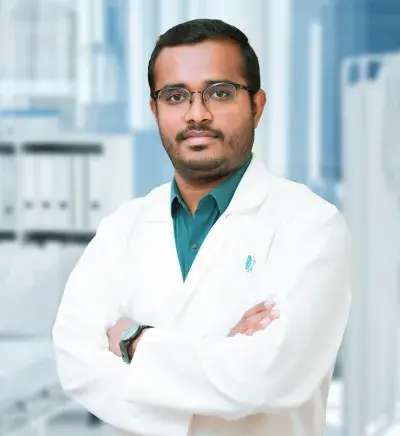
More Than Doctors — A Complete Patient-Care Team
Cancer treatment can last weeks, months or sometimes years.
During that time, good care depends on much more than the consultation with an oncologist.
Alongside our doctors is a wider clinical, administrative and supportive-care team whose contribution is essential to providing safe, organised and compassionate cancer care.
Depending on the patient’s needs and treatment location, this may include:
Clinical Pharmacists
Clinical pharmacists play an important role in the safe delivery of cancer treatment, reviewing medicines, helping identify potential drug interactions and supporting patients with treatment-related medication questions.
Associate Doctors and Physician Assistants
They work alongside the treating oncologist to help provide continuity during treatment, review investigations and symptoms, assist with treatment delivery and ensure that concerns are brought promptly to the attention of the appropriate doctor.
Practice Managers and Patient-Care Executives
Cancer care can involve multiple appointments, investigations, admissions and treatment schedules. Our practice-management and patient-care teams help patients and families navigate these processes and maintain communication with the clinical team. They are an important link between patients, families, doctors and the wider hospital system.
Oncology Nurses
Specialist nursing care is fundamental to the safe administration of systemic cancer treatment, patient education, monitoring, symptom recognition and ongoing support.
Dietitians and Nutrition Specialists
Cancer and its treatment can affect appetite, weight, muscle mass and nutritional requirements. Appropriate nutritional assessment and advice can be an important component of treatment and recovery.
Psycho-Oncology and Psychological Support
A cancer diagnosis can affect emotional wellbeing as profoundly as physical health. Psychological support can help patients and families manage anxiety, uncertainty, changes in relationships and the emotional consequences of cancer and its treatment.
Physiotherapy and Rehabilitation
Physiotherapists and rehabilitation specialists can help patients maintain or regain strength, mobility, function and independence during and after cancer treatment.
Pain and Palliative-Care Specialists
Palliative care is not limited to end-of-life care. Specialist symptom management can be valuable at many stages of treatment and can help patients experiencing pain, breathlessness, nausea, fatigue, sleep disturbance and other difficult symptoms.
Other Specialist Support
Depending on individual circumstances, patients may also benefit from speech and swallowing therapy, stoma care, fertility counselling and other specialised services.
Together, these professionals help us provide something that matters enormously during cancer treatment: continuity and support.
When a patient develops a symptom, has a question, needs an investigation arranged or is uncertain about the next step, there should be a team around them that understands their treatment and can help guide them.
We want our patients to feel supported between consultations as well as during them.
Multidisciplinary Cancer Care
Good cancer care frequently requires expertise from several specialties. Depending on the diagnosis, our medical oncology team works collaboratively with specialists in:
- Surgical oncology and organ-specific cancer surgery
- Radiation oncology
- Radiology and interventional radiology
- Pathology and molecular pathology
- Nuclear medicine
- Haematology and transplant services
- Gastroenterology
- Pulmonology
- Endocrinology
- Pain and palliative medicine
- Nutrition
- Physiotherapy and rehabilitation
- Psycho-oncology
- Other relevant medical and surgical specialties
The purpose is not simply to obtain several opinions.
It is to integrate those opinions into one coherent treatment strategy.
This can be particularly important when several reasonable options exist or when the sequence of surgery, systemic therapy and radiotherapy requires careful planning.
Second Opinions and Complex Cancer Decisions
Not every patient who comes to Cancer Therapy India needs to transfer their treatment to us.
We believe strongly in the value of a second oncology opinion, particularly when:
- Cancer has recently been diagnosed
- Major surgery has been recommended
- Chemotherapy, immunotherapy or targeted treatment is being considered
- Molecular or genomic testing has produced complex results
- Cancer has returned after previous treatment
- Disease has progressed despite treatment
- Several different treatment options have been proposed
- The cancer is uncommon
- A patient simply wants reassurance that the proposed treatment is appropriate
A second opinion may identify another approach.
Equally importantly, it may confirm that the treatment already recommended is exactly what we would recommend ourselves.
That confirmation can provide considerable reassurance.
When we believe that treatment recommended elsewhere is appropriate, we will say so.
The purpose of a second opinion should be better decision-making — not treatment for its own sake.
Clear Information Is Part of Good Cancer Care
Cancer terminology can be intimidating.
Words such as stage, grade, mutation, biomarker, targeted therapy, immunotherapy, progression and prognosis can suddenly become part of everyday family conversations.
We believe patients should not have to become oncologists to understand their own treatment.
Our team therefore places considerable emphasis on explaining:
- What the diagnosis means
- What stage the cancer is
- Whether additional testing is required
- What the objective of treatment is
- Which treatment options are available
- Why we recommend a particular approach
- What benefit treatment may offer
- What side effects may occur
- What alternatives exist
- What happens next
We encourage patients and their families to ask questions.
An informed patient is an important member of the treatment team.
Cancer Education — Cancer, Clearly
Cancer Therapy India has a broader mission beyond the consulting room.
Through our Cancer, Clearly patient-information initiative, website resources and educational videos, we are developing reliable, understandable information about individual cancers, cancer treatments, treatment side effects, supportive care and life during and after cancer.
To make cancer easier to understand without making the science less accurate.
Our patient information is clinically reviewed and is designed to complement, rather than replace, individual medical consultation.
Care With Compassion
Technology matters in cancer treatment.
So do medicines, molecular tests, scans, modern hospital facilities and access to new treatments.
But patients remember something else as well:
How they were treated as people.
Cancer can affect far more than the organ in which it begins.
It can affect physical health, emotional wellbeing, nutrition, mobility, relationships, work, finances, confidence, family roles and plans for the future.
We therefore believe excellent oncology requires both scientific rigour and humanity, with care that considers the whole person rather than the cancer alone.
Our guiding principles are:
Evidence-Based
Recommendations grounded in contemporary oncology evidence and thoughtful clinical judgement.
Personalised
Treatment adapted both to the biology of the cancer and to the individual living with it.
Multidisciplinary
Collaboration with the appropriate specialists so that different aspects of cancer care are considered together rather than in isolation.
Holistic
Cancer care extends beyond treating the tumour. We aim to consider the patient’s physical symptoms, nutrition, psychological wellbeing, mobility and rehabilitation, treatment side effects, supportive and palliative-care needs, family circumstances and quality of life throughout the cancer journey. Where appropriate, this may involve support from dietitians, psychologists, physiotherapists, pain and palliative-care specialists, clinical pharmacists, nurses and other members of the wider care team.
Accessible
A wider clinical and patient-care team helps patients communicate with us, navigate treatment and know whom to contact when questions or problems arise.
Transparent
Clear discussion of the diagnosis, treatment options, potential benefits, possible side effects, limitations and reasonable alternatives.
Responsible
More treatment is not automatically better treatment. We aim to recommend investigations and treatments when we believe they can provide meaningful benefit.
Compassionate
Patients and their families deserve time, dignity, honesty, understanding and support throughout their cancer journey.
Our aim is not simply to treat cancer. It is to care for the person living through it.
Cancer Care Across Bengaluru
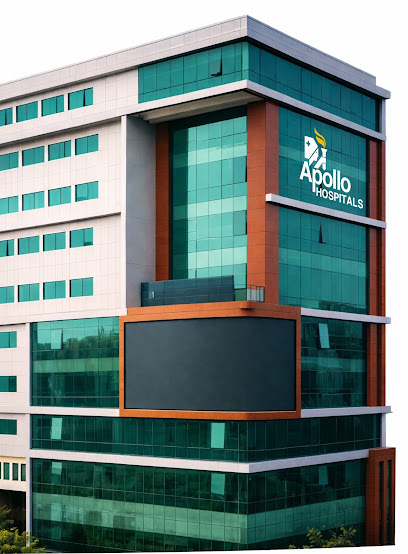
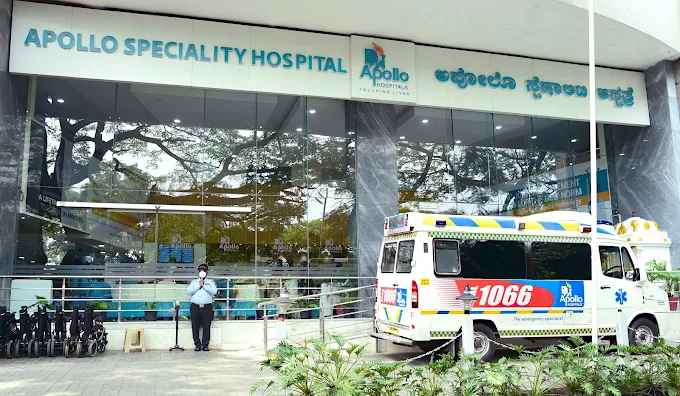
Our doctors provide care through Apollo Hospitals across Bengaluru. We can help you choose the appropriate centre for your treatment.
Cancer Care for Patients Across India and Overseas
Although our clinical practice is based in Bengaluru, patients seek our opinion from across India and from overseas.
For patients travelling to Bengaluru, our team can help coordinate an oncology consultation and guide them towards the appropriate Apollo hospital services required for evaluation and treatment.
International patients can also access Apollo Hospitals’ established international-patient services for hospital-related coordination and support.
Where clinically appropriate, subsequent follow-up discussions may be possible remotely, allowing continued communication after patients return home and, when requested, coordination with their local doctors.
What the Cancer Therapy India–Apollo Model Means for You
We do not believe patients should have to choose between personal attention and advanced medicine.
Our model is designed to bring both together.
A dedicated oncology team that knows you
An identifiable group of doctors and supporting professionals who remain involved throughout your cancer journey.
Personalised clinical decisions
Treatment recommendations based on your cancer, its biology, your general health and what matters to you.
Seamless multidisciplinary care
The ability to work with surgical oncologists, radiation oncologists, pathologists, radiologists, nuclear-medicine physicians, transplant specialists and other experts within the wider Apollo system.
Advanced technology when it adds value
Access to sophisticated investigations and treatments when they can genuinely improve diagnosis, decision-making or treatment.
The strength of the Apollo network
The experience, specialist services, hospital infrastructure and advanced cancer-care capabilities of the Apollo Hospitals network supporting your treating oncology team.
Care closer to home
Multiple Apollo locations across Bengaluru allow us, where clinically appropriate, to minimise unnecessary travel and provide ongoing care closer to where our patients live.
Access to highly specialised care when required
If specialised expertise or technology is available at another Apollo centre, the wider network provides an established pathway through which that care can be explored and coordinated.
When You Come to Cancer Therapy India
Cancer treatment can be complicated.
Your experience of receiving it should not have to be.
Our clinical and support teams work together so that patients and their families know whom to contact, what happens next and where to turn when they need help.
Our objective is that after meeting us, you understand three things:
- Where you are now.
- What your options are.
- What happens next.
Whether you are seeking treatment after a new cancer diagnosis, reviewing an existing treatment plan, looking for a second opinion or trying to understand what to do after cancer has returned, our team is here to help you make those decisions with clarity, confidence, expertise and support.