
Share
Why surgery is used
Surgery can remove a cancer, obtain tissue, help determine stage or relieve a particular problem. The decision depends on how far the cancer has grown or spread, whether an operation can meet its intended goal, your overall health and what matters most to you.
Operability and preparation
The surgeon reviews scans, pathology reports (results from examining tissue or cells) and relevant health assessments. Medicines or radiotherapy may be recommended before surgery to improve the overall treatment strategy. Ask about expected benefit, alternatives, risks and whether reconstruction, which rebuilds a part of the body after surgery, may be needed.
Open, minimally invasive and robotic surgery
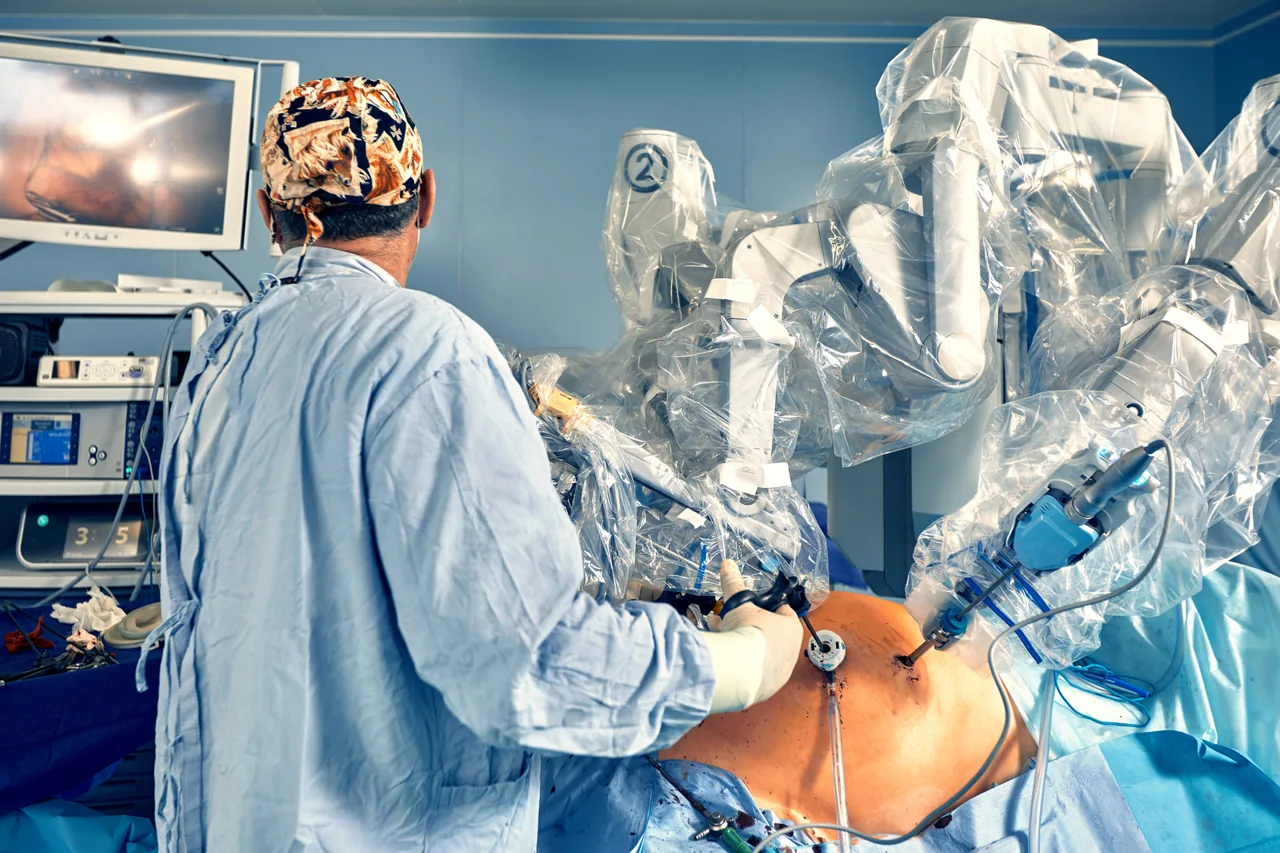
An operation may use a larger cut (open surgery), small cuts and a camera (laparoscopic or keyhole surgery), or robotic instruments, depending on the cancer and clinical situation. In robotic surgery, the surgeon controls the instruments; the robot does not decide or perform the operation independently. The method is less important than performing the appropriate cancer operation safely.
Cytoreductive surgery and HIPEC
Hyperthermic intraperitoneal chemotherapy (HIPEC) uses heated chemotherapy inside the abdomen. In selected patients with cancer involving the abdominal lining (peritoneum), surgery removes visible cancer, an approach called cytoreductive surgery, before the heated chemotherapy is circulated. This differs from chemotherapy given into a vein (intravenous chemotherapy).
Eligibility is highly selective and depends on the cancer type, disease distribution, ability to remove disease and overall fitness. Not all peritoneal spread benefits from this approach.
Lymph nodes, organ preservation and reconstruction
The operation may include lymph-node assessment or removal. Where appropriate, the team considers preserving function and reconstructive options. Ask how the operation may affect eating, movement, bowel or bladder function, sexuality and everyday activities.
Hospital stay and recovery
Preparation may include nutrition, activity advice, anaesthetic assessment and a plan for current medicines. After surgery, the team helps with pain relief, getting moving again, wound care and any complications. Follow the procedure-specific advice on urgent symptoms and contact details.
Pathology, margins and further treatment
The final pathology report describes the cancer, the edges of the removed tissue (margins) and any lymph nodes removed. These results may change the stage or lead to a recommendation for additional treatment. Your follow-up appointment after surgery includes a clear explanation of this report.
Where to get care




Questions to discuss
Is this treatment suitable for everyone?
No. The diagnosis, stage, treatment goal, previous treatment and your overall health determine whether a treatment is appropriate.
How can I discuss my options?
Call or WhatsApp CTI to arrange a consultation. Bring your available reports, scan images and treatment records.
