

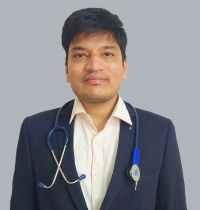
Experience across medical oncology, haematological cancers and precision care.
Dr Prathyush V completed his MBBS at Osmania Medical College, Hyderabad, before pursuing an MD in Radiation Oncology from Ramaiah Medical College in Bengaluru. He later completed his DNB in Oncology at Manipal Hospitals, Bengaluru, developing broader experience in the medical treatment of cancer.
He has worked as a Consultant in Medical Oncology at Shankara and currently serves as a Consultant Medical and Hemato Oncologist at Apollo Hospitals, Bengaluru. His clinical practice covers solid tumours and blood cancers in adults and children.
Individualised treatment for solid tumours and blood cancers.
Solid tumours
Evaluation and medical treatment of different solid organ cancers, with particular clinical interest in breast, ovarian and lung cancers. Treatment is selected according to the diagnosis, stage, tumour biology and the patient’s overall condition.
Haematological cancers
Assessment and treatment planning for haematolymphoid malignancies, which include cancers affecting the blood, bone marrow and lymphatic system. Each plan is guided by the specific disease subtype and available clinical evidence.
Immunotherapy and targeted therapy
Use of immunotherapy and targeted medicines when they are clinically appropriate. These treatments are considered alongside pathology, biomarker results, previous therapies and the expected benefit for the patient.
Precision oncology
Application of molecular testing and next-generation sequencing, or NGS, when the findings may help identify relevant mutations, clarify treatment choices or support a more personalised approach to care.
Adult and paediatric oncology
Experience in managing solid organ and blood cancers in adults and children, with treatment decisions adapted to the patient’s age, diagnosis, health and individual requirements.
A treatment plan built around the complete clinical picture.
Cancer treatment can involve several tests, unfamiliar terms and difficult choices. Dr Prathyush focuses on helping patients and families understand the diagnosis, the purpose of the recommended treatment and what they may expect during care.
Diagnosis before treatment
The cancer type, stage, pathology and available molecular findings are reviewed carefully before a treatment plan is recommended.
Treatment suited to the individual
Age, general health, previous treatment, symptoms and personal circumstances are considered alongside the biological features of the cancer.
Integrated cancer care
Chemotherapy may be combined with targeted therapy, immunotherapy or other suitable treatments when the available evidence supports such an approach.
Support throughout treatment
Pain control, symptom management and palliative care are important parts of oncology, helping patients remain as comfortable and functional as possible during treatment.
Oncology education and clinical practice in Bengaluru.
Consultant Medical and Hemato Oncologist, providing treatment for solid tumours and blood cancers in adults and children.
Worked as a Consultant in Medical Oncology before joining his current practice.
Completed DNB training in Oncology, building experience in the evaluation and medical management of different cancers.
Completed postgraduate training in Radiation Oncology, developing an understanding of radiotherapy and its place within multidisciplinary cancer care.
Qualifications
- DNB Oncology, Manipal Hospitals, Bengaluru – 2022
- MD in Radiation Oncology, Ramaiah Medical College, Bengaluru – 2019
- MBBS, Osmania Medical College, Hyderabad – 2013
Research connected to real-world cancer treatment.
Dr Prathyush has contributed as an author and co-author to several oncology publications. His academic work reflects practical questions encountered during cancer care, including the use of chemotherapy in breast cancer and the role of immunotherapy and targeted therapy in lung, kidney and liver cancers.
Breast cancer research
He contributed to a real-world study examining dose-dense neoadjuvant chemotherapy in patients with non-metastatic triple-negative breast cancer.
Lung cancer and immunotherapy
His published work has explored the use of immunotherapy in patients with lung cancer carrying driver mutations, an area where molecular findings can significantly influence treatment decisions.
Kidney and liver cancers
His research contributions include real-world experience with lenvatinib and everolimus in metastatic renal cell carcinoma after progression on immunotherapy. He has also studied nivolumab following lenvatinib progression in advanced hepatocellular carcinoma.
Research interests
His areas of interest include haematolymphoid malignancies, breast and ovarian cancers, pain and palliative care, targeted therapy and immunotherapy in lung cancer, NGS and precision oncology.
Beyond the Consulting Room
Turning clinical experience into useful oncology evidence
Alongside caring for patients, Dr Prathyush remains involved in research and academic writing. This connection between clinical practice and research helps him follow how cancer treatment is changing and evaluate where newer therapies may offer a meaningful benefit.
Research contributor
Author and co-author of studies based on real-world cancer treatment and patient outcomes.
Precision oncology advocate
Interested in the appropriate use of biomarkers and NGS to support more informed treatment decisions.
Multimodal cancer care
Experienced in considering chemotherapy, targeted therapy, immunotherapy and supportive care as connected parts of an overall treatment plan.
Patient-focused communicator
Committed to explaining medical information in clear language so patients and families can participate more confidently in treatment decisions.
Treating the illness while supporting the individual.
Cancer care affects far more than test results. Symptoms, treatment side effects, emotional strain and changes in daily life can influence how a patient experiences treatment. Dr Prathyush takes these factors into account while planning care.
His interest in pain management and palliative oncology supports an approach that considers comfort and quality of life alongside disease control. Patients and families receive practical explanations about the treatment goal, available choices and the support that may be needed along the way.