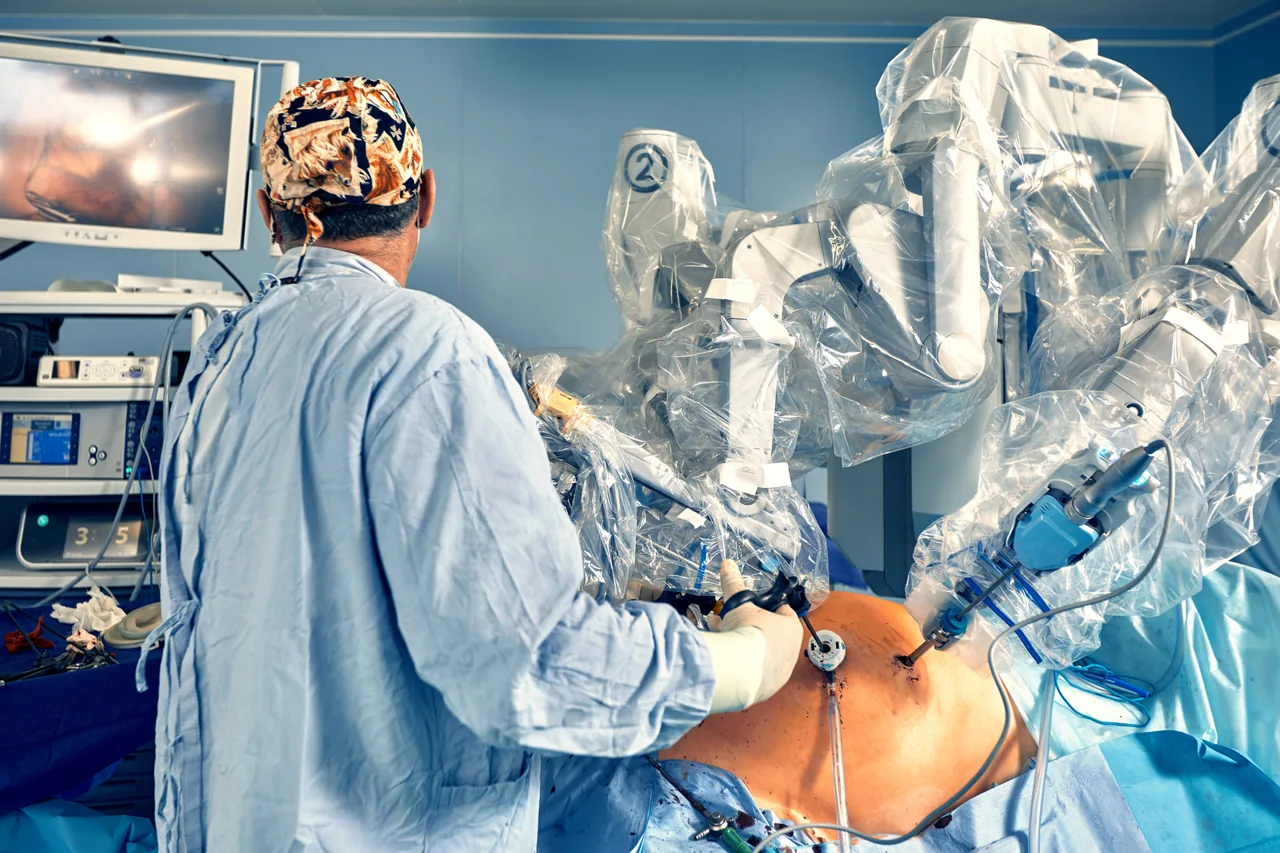
Surgical oncology is the surgical treatment of cancer. It involves removing tumours, affected tissue, and, in some cases, nearby lymph nodes to control or eliminate the disease. Surgery alone can be curative when cancer is caught early. It is also used alongside chemotherapy, immunotherapy, targeted therapy, or radiation, depending on the case.
Surgical Oncology in Bangalore now includes minimally invasive, laparoscopic, and robotic-assisted surgery. These approaches have changed what recovery looks like for most patients. Surgical oncologists work closely with medical oncologists, radiation oncologists, radiologists, and rehabilitation teams.
With minimally invasive cancer surgery, smaller incisions are used, which may reduce disruption to surrounding tissues. For most patients, that means less pain, a shorter hospital stay, and a faster return to normal life. Gastrointestinal, thoracic, gynaecological, and urological cancers are all treated this way for surgical oncology treatment in Bangalore.
Laparoscopic cancer surgery goes in through small incisions using a camera and long instruments. It is used regularly in colorectal, stomach, liver, and gynaecological cancer surgery. For suitable patients, it means getting back to normal life sooner.
Robotic systems give surgeons better visualisation and finer control, particularly in hard-to-reach areas. Prostate cancer, gynaecological cancers, thoracic cancers, and certain gastrointestinal procedures are where robotic cancer surgery is used most. The instruments move with a degree of precision that conventional surgery in tight spaces cannot match, and blood loss tends to be lower.
Large tumours, complex presentations, or cases where minimally invasive access is not sufficient still call for open surgery. It gives the surgeon direct access to the surrounding organs and tissues when complete removal is required.
Removing cancer without taking more than necessary is a focus of modern surgical oncology. Where possible, surgery is planned to protect speech, swallowing, mobility, fertility, and urinary function. The aim is to treat the cancer without defining the rest of the patient’s life by what had to be removed.
Surgical oncology at Cancer Therapy India, Bangalore, covers:
The approach varies by cancer type, stage, and the treatment goals realistically achievable for that patient.
Before surgery, patients go through imaging, laboratory tests, biopsies, and a general health assessment. This tells the surgical team how large the tumour is, how far it has spread, and what the safest approach looks like.
Each case is reviewed by a team that includes surgical oncologists, medical oncologists, radiation oncologists, pathologists, radiologists, and rehabilitation specialists. Treatment is individualised according to the patient’s condition and cancer type.
Removing the tumour is the core of the procedure. The surgical team works to protect healthy tissue and organ function throughout. Lymph node dissection or reconstruction is done in the same procedure, if needed.
The team will continuously monitor the patient to ensure the wounds are healing properly and that pain is managed.
Surgery remains the most direct treatment for many solid tumours, particularly when cancer hasn’t spread. Removing the tumour completely gives the best chance of long-term control, and in localised cancers, it can be curative.
When complete removal isn’t possible, surgery still has a role. Reducing tumour burden can make chemotherapy or radiation more effective than they would be against a larger mass.
How well surgery works depends on several factors:
The window between early diagnosis and intervention matters more in oncology than almost anywhere else. The same tumour, caught at stage one and stage three, often requires completely different approaches and yields significantly different outcomes.
Cancer surgery carries some risks. Depending on the procedure and your overall health, these can include:
Some surgeries affect bowel, urinary, respiratory, or reproductive function. That’s worth an honest conversation with your surgeon before the procedure. At Cancer Therapy India Bangalore, surgical teams plan carefully, monitor closely, and manage complications early if they arise.
Laparoscopic and minimally invasive surgery typically gets patients home faster than open surgery. Recovery still depends on what was removed, the patient’s condition beforehand, and whether chemotherapy or radiation follows.
Wound care, pain management, and nutrition are part of early recovery for most patients. Some need physiotherapy to rebuild strength. That’s common after major abdominal or thoracic surgery and does not necessarily indicate a complication.
Most people are back to routine within a few weeks, though this varies. Additional treatment, such as chemotherapy or radiation, can affect the timeline considerably.
Recurrence doesn’t always produce symptoms early. Follow-up appointments, imaging, and blood tests exist because recurrence may otherwise remain undetected during the early stages.
Cancer Therapy India Bangalore has a dedicated surgical oncology team managing cases across cancer types, including those requiring robotic or laparoscopic approaches.
What patients get here:
If you have a diagnosis or are still waiting on results, speak to the surgical oncology team at Cancer Therapy India early. The earlier the evaluation, the more options are usually on the table.
Surgical oncology involves treating cancer through surgery. That includes removing tumours, staging the disease, dissecting lymph nodes, and reconstruction where needed.
Surgery isn’t only for removal. It’s used to confirm a diagnosis, stage the disease, relieve symptoms, or reconstruct after treatment. What’s right depends on the cancer type, how far it’s spread, and what the rest of the treatment involves.
For localised cancers caught early, surgery offers the best chance of complete removal. But most cancers aren’t treated with a single thing. Chemotherapy, radiation, and immunotherapy commonly run alongside surgery, as part of a coordinated multidisciplinary treatment strategy.
Laparoscopic and minimally invasive procedures recover faster than open surgery. Some patients are back to normal within weeks. Others may require longer, particularly when further treatment follows.
Bleeding, infection, anaesthesia reactions, blood clots, and complications at the surgical site can all occur. The risk level isn’t the same for every patient or every procedure.