
Share
Radiotherapy basics
Radiotherapy uses radiation to damage cancer cells. It can be used with the aim of curing cancer, alongside surgery or medicines, or to relieve symptoms. The treatment area, dose and schedule are selected for the individual situation.
Planning, IMRT and IGRT
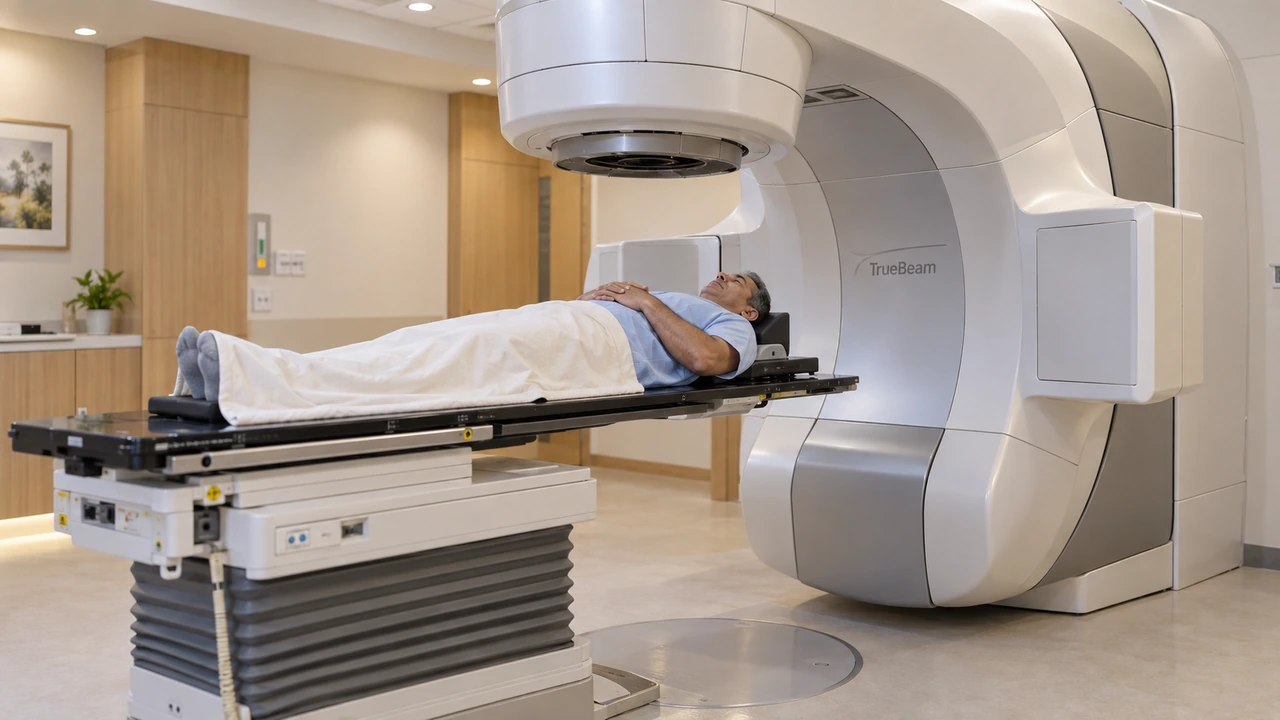
Planning scans define the treatment target and nearby organs. Supports help you stay still and return to the same position for each treatment. Intensity-modulated radiation therapy (IMRT) adjusts the strength of radiation beams across the treatment area. Image-guided radiation therapy (IGRT) uses scans or other images to check positioning.
SBRT, SRS and CyberKnife
Stereotactic techniques deliver highly focused radiation in selected situations. Stereotactic radiosurgery (SRS) is commonly used for brain targets; stereotactic body radiation therapy (SBRT) is used for certain targets elsewhere in the body. Despite its name, radiosurgery uses radiation rather than an operation. CyberKnife is a platform used for some stereotactic treatments, not a separate family of cancer care. Suitability depends on size, location and clinical context.
Proton Therapy
Proton beams release radiation energy differently from the X-ray beams (photons) used in many radiotherapy treatments. This can offer advantages in selected situations. Discuss the potential benefits and limitations with your radiation specialist to understand whether proton therapy is suitable for your treatment.
The CTI pathway may begin through Bannerghatta Road. Proton Therapy treatment itself takes place at Apollo’s Chennai facility, not in Bengaluru.
Brachytherapy
Brachytherapy places a radiation source in or near the treatment area. It may be used alone or with radiation from a machine outside the body (external-beam treatment) for particular cancers. The procedure, anaesthesia and any temporary precautions depend on the treatment.
Sessions, fractions and side effects
A fraction is one planned portion of the total treatment. Schedules differ. Side effects depend mainly on the area treated and may appear during treatment or later. Ask about skin care, swallowing, bowel or bladder effects when relevant, and symptoms needing urgent review.
Response and repeat radiation
Response may continue after the course ends, so follow-up timing is chosen carefully. Giving radiation again to a previously treated area (re-irradiation) requires review of previous doses and nearby organs; it is not suitable in every situation.
Where to get care

Questions to discuss
Is this treatment suitable for everyone?
No. The diagnosis, stage, treatment goal, previous treatment and your overall health determine whether a treatment is appropriate.
How can I discuss my options?
Call or WhatsApp CTI to arrange a consultation. Bring your available reports, scan images and treatment records.
