Share
Start here
These cancers at a glance
- Epithelial cancers start in surface or lining cells. Ovarian, fallopian tube and primary peritoneal epithelial cancers are closely related and are usually staged and treated in the same way.
- Persistent bloating, pelvic or abdominal pain, feeling full quickly and urinary change deserve assessment, especially when new or frequent.
- For people at average risk who have no symptoms, routine screening has not been shown to reduce deaths from these cancers. Cancer antigen 125 (CA-125), a blood marker, and ultrasound can help investigate symptoms or a mass; neither can diagnose cancer on its own.
- A specialist in cancers of the female reproductive organs should plan the operation. The aim is often to remove all visible disease while protecting safety and function.
- Carboplatin plus paclitaxel is a common chemotherapy combination. Some people also receive a targeted medicine, explained under Treatment options.
- Testing for inherited gene changes, called germline testing, is recommended for epithelial ovarian, fallopian tube and primary peritoneal cancer regardless of age or family history. The results may guide treatment and help relatives understand their risk.
- If cancer returns (recurs), treatment depends on what you have already received, how long it helped, your symptoms and goals, and test results that may guide medicine choices. These treatment-guiding features are called biomarkers.
Understand
Topics in this section
The ovaries, tubes and peritoneum
The ovaries sit on either side of the uterus (womb). The finger-like ends of the fallopian tubes, called fimbriae, lie close to the ovaries. The peritoneum is the thin lining inside the abdomen and pelvis.
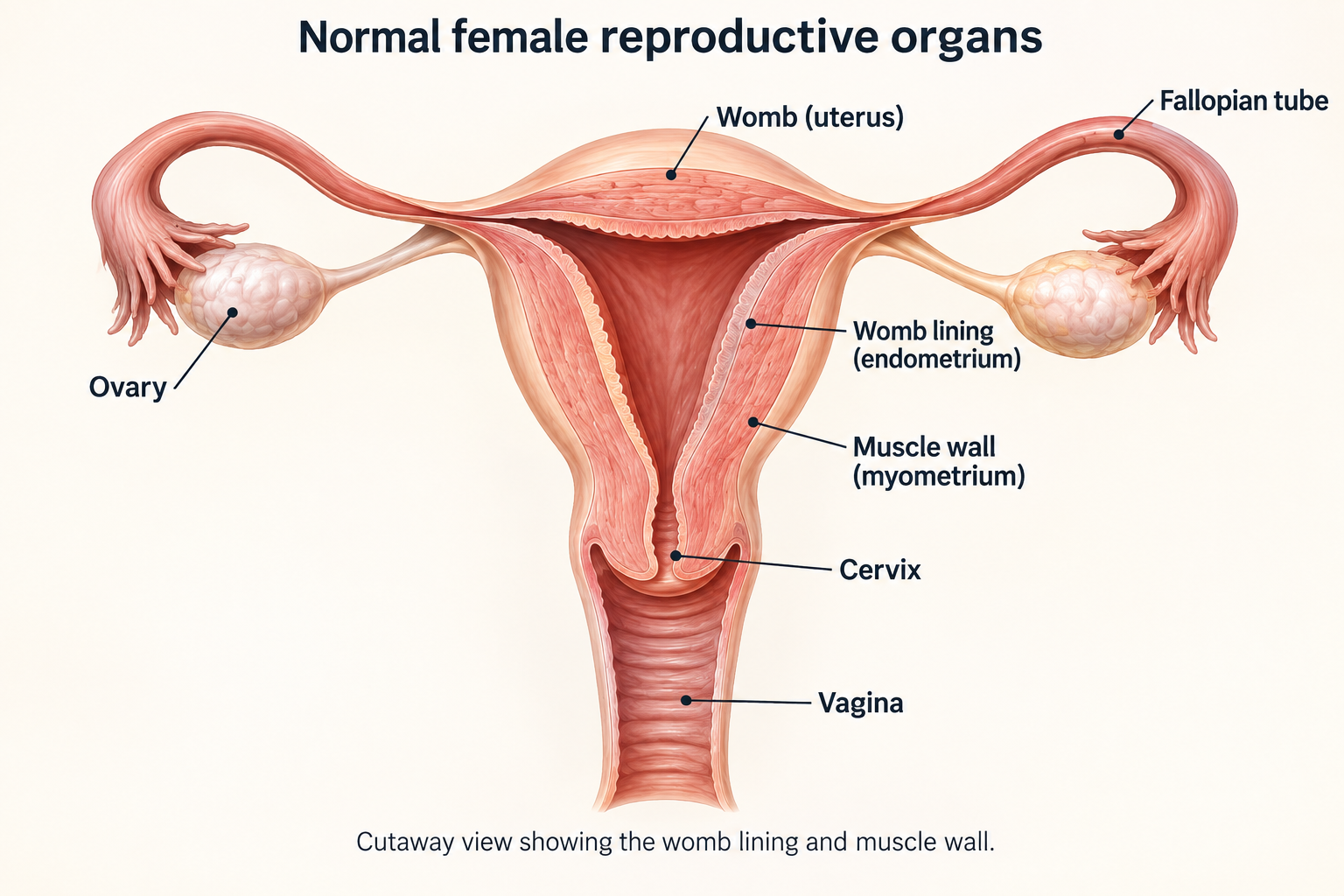
- Ovaries release eggs and make hormones before menopause.
- The fallopian tubes extend from the upper uterus towards each ovary.
- Many high-grade serous cancers, the most common subtype, appear to start at the fimbrial end of a tube, even when the largest tumour is around an ovary.
- Primary peritoneal cancer begins in the lining itself and can occur even after ovaries have been removed.
What does 'ovarian cancer' include?
This guide covers epithelial ovarian, fallopian tube and primary peritoneal cancer together. When it says ovarian cancer in this shared treatment pathway, it usually includes all three. The cell type, stage and biomarker results still determine which treatments are suitable.
Germ-cell tumours start in egg-forming cells; stromal tumours start in supporting tissue. These and borderline tumours follow different pathways, explained below.
How these cancers spread
- Cancer cells can spread across the abdominal lining. Deposits may form on the omentum (a fatty apron over the abdominal organs), the bowel surface, the diaphragm (the breathing muscle below the lungs), or tissues in the pelvis.
- Fluid may collect in the abdomen (ascites) or around a lung (pleural effusion).
- Cancer may reach lymph nodes, small structures in the immune system, in the pelvis or beside the main artery in the abdomen. Less often, it spreads to distant organs.
The primary site may be assigned later
Examining the tissue helps identify whether a high-grade serous cancer began in an ovary, a fallopian tube or the peritoneum. Sometimes the starting site cannot be determined.
Primary peritoneal cancer can occur without an ovarian mass. It differs from cancer that has spread to the peritoneum from the bowel or another organ, and from peritoneal mesothelioma, a different cancer of the lining. Those diagnoses need their own treatment pathways.
The subtype changes the plan
Histology describes the cell type and pattern seen under the microscope. Different subtypes can grow and respond to treatment differently.
Subtype | What it usually means |
|---|---|
High-grade serous | The most common subtype; often starts in a tube and is diagnosed at stage 3 or 4. Testing the BRCA1 and BRCA2 genes, which help repair genetic material, and for homologous recombination deficiency (HRD), a weakness in that repair system, helps plan treatment. |
Low-grade serous | Less common and often slower-growing. It may respond less well to chemotherapy; hormone treatment and medicines that block growth signals may help. |
Endometrioid | May be linked with endometriosis, when tissue similar to the womb lining grows outside the womb. It is often found earlier. Testing a cell-repair system called mismatch repair (MMR) may help guide care. |
Clear cell | Also linked with endometriosis. Its behaviour differs from other subtypes, and advanced disease may respond less well to platinum chemotherapy, such as carboplatin. |
Mucinous | A cancer starting in the ovary is uncommon for this subtype. Tissue examination must check that it has not spread from the bowel, appendix, stomach or pancreas. |
Germ-cell / stromal | Uncommon subtypes; germ-cell tumours often affect younger people. Staging, fertility considerations and drug treatment differ by subtype. |
Symptoms are common - the pattern matters
Ovarian cancer symptoms often resemble digestive, urinary or hormonal problems. New, persistent or worsening symptoms deserve assessment.
Possible symptom | Examples |
|---|---|
Abdomen / pelvis | Persistent bloating, increasing waist size, pelvic pressure or abdominal pain |
Eating / bowel | Feeling full quickly, reduced appetite, indigestion, nausea, constipation or diarrhoea |
Urinary | Needing to pass urine more often or urgently |
Whole body | Fatigue, unexplained weight change, back pain or breathlessness |
Bleeding | Abnormal vaginal bleeding is less typical but always needs assessment, especially after menopause |
Most people with these symptoms do not have ovarian cancer. The purpose of assessment is to find the cause, not to assume the worst.
Risk factors
Usually there is no single cause. A risk factor changes probability; it does not prove why one person developed cancer.
Factors that increase risk
- Increasing age and menopause
- An inherited harmful change in a gene such as BRCA1, BRCA2, RAD51C, RAD51D or BRIP1, or a change linked to Lynch syndrome, an inherited condition that increases the risk of several cancers
- A close family history of ovarian, fallopian-tube, breast, pancreatic, prostate, bowel or uterine cancer
- Endometriosis, particularly for clear-cell and endometrioid subtypes
- Never having been pregnant, and some reproductive or hormonal factors; these associations are modest and not anyone's fault
A tumour can have a change in BRCA1 or BRCA2 that is not inherited. These genes are often referred to together as BRCA. Blood or saliva testing checks inherited changes; tumour testing checks changes within the cancer.
Screening and prevention
For people at average risk and without symptoms, CA-125 and transvaginal ultrasound (a scan using a probe in the vagina) have not been shown to reduce ovarian-cancer deaths.
If inherited risk is high
- See a genetic counsellor to interpret the exact gene, family history and personal risks.
- Removing both fallopian tubes and ovaries after completing plans for children substantially lowers the risk for people with a harmful inherited BRCA change. It does not remove every risk, including the risk of primary peritoneal cancer. Timing depends on the gene and individual circumstances.
- Surgery causes infertility and, before natural menopause, sudden menopause. Discuss symptoms, bone/heart health, sexual health and whether hormone therapy is appropriate.
- Screening may sometimes be used while surgery is deferred, but it is not a proven substitute for risk-reducing surgery.
Tests and diagnosis
The first assessment
No single test diagnoses ovarian cancer. Each part answers a different question.
Assessment | What it adds |
|---|---|
History and examination | Your symptoms and general health, and whether examination finds a mass, fluid or changes in the pelvis |
Pelvic ultrasound | Whether a mass is fluid-filled or solid, its features and blood supply, and its position near the womb and ovaries |
CA-125 and blood tests | Help interpret the findings and check blood counts, kidney and liver function, and safety for scan contrast dye or treatment |
Computed tomography (CT) of the chest, abdomen and pelvis | Maps the cancer, abdominal fluid and lymph nodes, including areas around the bowel and diaphragm; helps plan surgery |
Positron emission tomography combined with CT (PET-CT) | Can be used for staging to help map active cancer and assess spread, including beyond the abdomen. Your team chooses it when the additional information will help guide treatment. |
Magnetic resonance imaging (MRI) | Can give more detail about a pelvic mass or an unclear finding in the liver or pelvis |
Laparoscopy | Keyhole examination of the abdomen in selected patients; helps the team decide whether to start with surgery or chemotherapy |
CA-125: useful, but not a verdict
CA-125 is a protein measured in blood. It helps most when interpreted with symptoms, scans, menopause status and the tumour's own behaviour.
What CA-125 can do
- Support assessment of a suspicious mass, particularly after menopause
- Provide a baseline before treatment if the cancer produces CA-125
- Help track response when the starting value was raised
- Contribute to follow-up discussions, alongside symptoms and examination
What it cannot do
- Diagnose or exclude ovarian cancer by itself
- Distinguish cancer from every benign cause: menstruation, pregnancy, endometriosis, fibroids, infection, liver disease and fluid around organs can raise it
- Show exactly where cancer is or whether surgery is possible
Biopsy and tissue diagnosis
A scan or CA-125 result alone cannot confirm the cancer type. Examining tissue, taken in a small sample called a biopsy or during surgery, establishes the diagnosis and guides treatment.
If surgery is planned first
The tumour and other samples removed during surgery provide the diagnosis and help establish the stage. A rapid tissue check during the operation, called a frozen section, may help guide surgery. The final laboratory examination gives a more complete result.
If chemotherapy is planned first
The team usually takes a core biopsy, a small cylinder of tissue, from an accessible tumour or a deposit on the abdominal lining or omentum. Examining cells in fluid can help, but a tissue biopsy usually gives more information about the cancer type and provides material for biomarker tests.
What the pathologist reports
- Primary site and histological subtype
- Grade and tests for proteins that help identify the subtype
- Whether the cancer could have started elsewhere, especially in the digestive tract
- Whether there is enough cancer tissue for BRCA, HRD or other treatment-guiding tests
Biomarkers: tests that can change treatment
Germline testing looks for inherited risk. Tumour testing looks for changes within the cancer. Some results overlap, but they are not interchangeable.
Test | Why it may matter |
|---|---|
Germline panel | Looks for inherited changes in BRCA1, BRCA2 and other genes that increase cancer risk. Results may guide treatment and advice for relatives. |
Tumour BRCA | Looks for a BRCA change within the cancer. It may help identify benefit from poly(adenosine diphosphate-ribose) polymerase (PARP) inhibitors, medicines that block a cell-repair enzyme. A blood or saliva test is needed to establish whether a change is inherited. |
HRD | Checks for a weakness in the cancer’s repair system. This can help estimate benefit from maintenance treatment, medicine given after an initial response to keep the cancer controlled for longer. |
Folate receptor alpha (FR-alpha) | Measures a protein on cancer cells. A sufficiently high result may support mirvetuximab when the cancer no longer responds well to platinum chemotherapy (platinum-resistant disease). |
Programmed death-ligand 1 (PD-L1), measured by combined positive score (CPS) | Measures a protein involved in immune signalling. The CPS result may support pembrolizumab with paclitaxel in a specific platinum-resistant setting, described below. |
MMR, microsatellite instability (MSI) and tumour mutational burden (TMB) | MMR and MSI tests look for faulty repair of genetic material; TMB measures the number of gene changes in the cancer. Certain results can support immunotherapy regardless of where a cancer began. Each medicine has additional eligibility criteria. |
KRAS and BRAF genes; mitogen-activated protein kinase (MAPK) pathway | These genes and the cell-growth signalling pathway may help guide treatment for low-grade serous cancer that returns. |
Human epidermal growth factor receptor 2 (HER2); NTRK and RET genes | HER2 is a growth-related protein. NTRK and RET are genes that can sometimes become abnormally joined to another gene (a fusion). Selected test results may open a targeted treatment option when cancer returns. |
Preparing for your appointment
For your consultation or a second opinion, bring a compact disc (CD) containing your scan images in Digital Imaging and Communications in Medicine (DICOM) format and the software needed to view them, along with the written scan reports.
Bring the biopsy report, treatment summaries and a list of medicines and allergies. Ask whether tissue slides or blocks are needed for review or further testing. A family member or caregiver can help you take notes if you wish. If a record is missing, ask the team how to obtain it; you can still discuss the next steps.
Planning your treatment
Understanding your stage
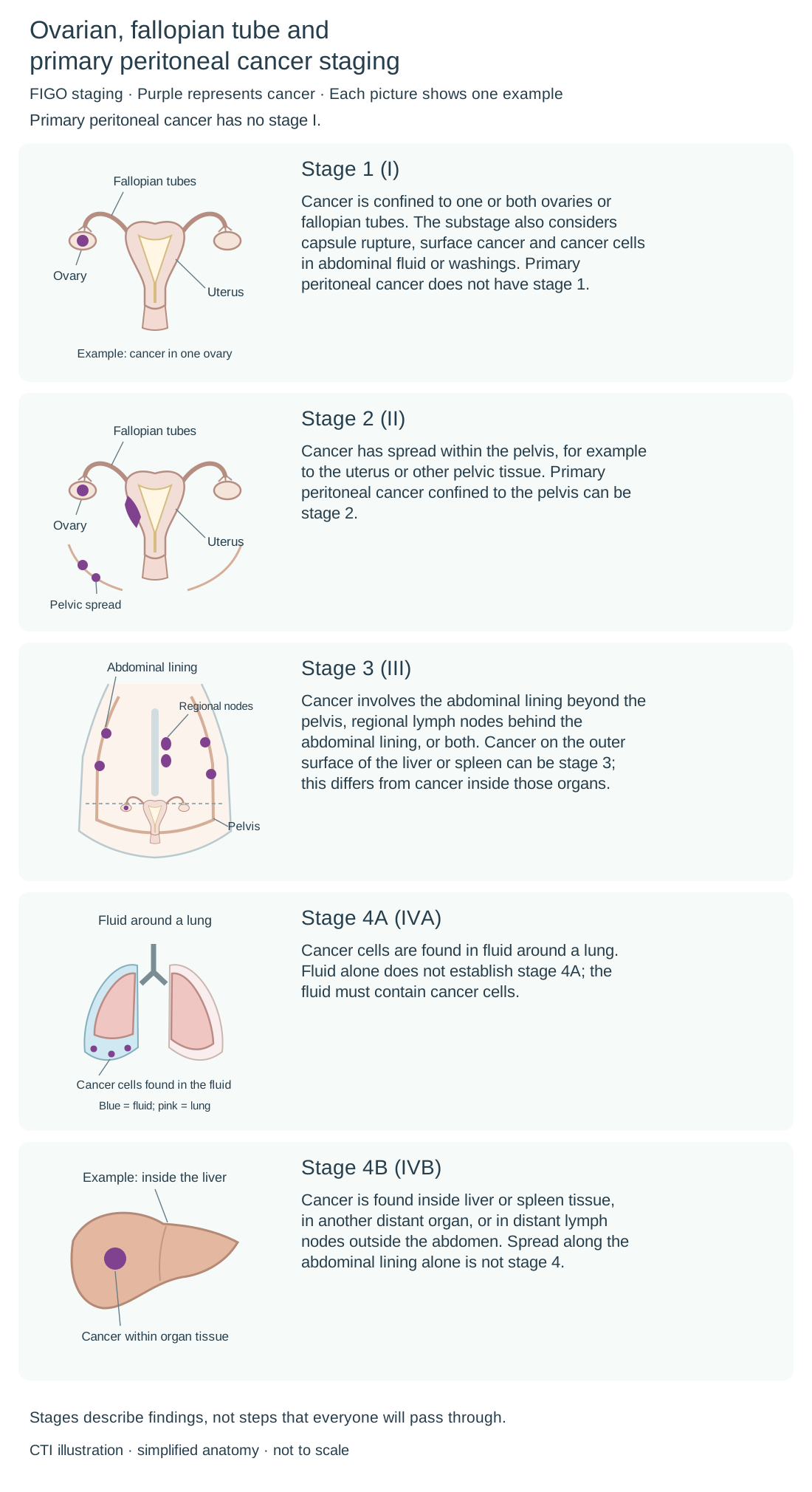
International Federation of Gynecology and Obstetrics (FIGO) staging for ovarian, fallopian tube and primary peritoneal cancer
These cancers share a staging framework. Primary peritoneal cancer starts in the lining of the abdomen and has no stage 1. Surgery, tissue examination and scans establish the stage. The pictures show examples; an individual cancer may meet other criteria within the same stage.
Lymph nodes are small immune-system structures. Regional nodes are those near or draining the cancer’s starting area; distant spread means cancer has reached a site outside that regional area. Stages describe findings, not a sequence that everyone will pass through.
Purple represents cancer. Each picture shows one example.
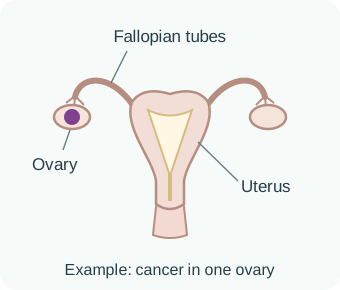
Stage 1 (I)
Cancer is confined to one or both ovaries or fallopian tubes. The substage also considers capsule rupture, surface cancer and cancer cells in abdominal fluid or washings. Primary peritoneal cancer does not have stage 1.
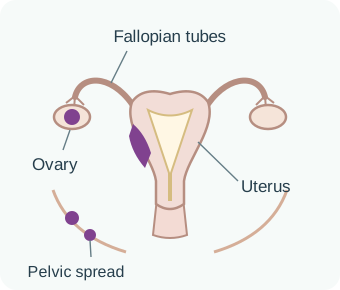
Stage 2 (II)
Cancer has spread within the pelvis, for example to the uterus or other pelvic tissue. Primary peritoneal cancer confined to the pelvis can be stage 2.
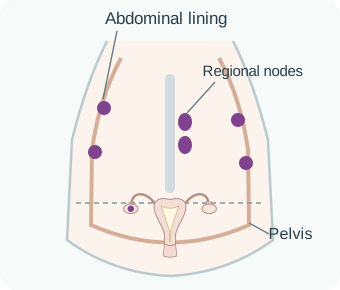
Stage 3 (III)
Cancer involves the abdominal lining beyond the pelvis, regional lymph nodes behind the abdominal lining, or both. Cancer on the outer surface of the liver or spleen can be stage 3; this differs from cancer inside those organs.
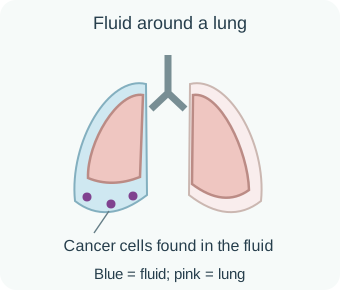
Stage 4A (IVA)
Cancer cells are found in fluid around a lung. Fluid alone does not establish stage 4A; the fluid must contain cancer cells.
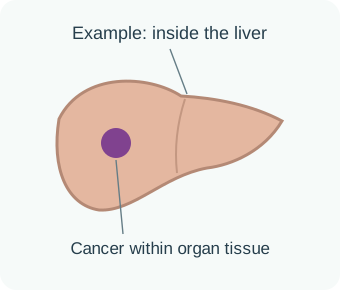
Stage 4B (IVB)
Cancer is found inside liver or spleen tissue, in another distant organ, or in distant lymph nodes outside the abdomen. Spread along the abdominal lining alone is not stage 4.
CTI illustration. Enlarge the staging overview.
Advanced stage does not mean that surgery or active treatment has no role. The subtype, amount and location of disease, overall health and likelihood of removing visible tumour are central to treatment planning.
Clinical stage comes from examination, biopsies and scans. Pathological stage can add information from surgery; a prefix such as yp means the tissue was assessed after treatment. A revised assessment does not necessarily mean the cancer grew while you were waiting. Grade describes the cells’ behaviour and is different from stage.
Your care team
Care works best when specialists review scans, tissue results, surgery, medicines and support needs together. This is called a multidisciplinary team discussion.
Team member | Main role |
|---|---|
Gynaecological oncologist | A specialist in cancers of the female reproductive organs who plans surgery and helps coordinate treatment |
Medical oncologist | Plans chemotherapy, maintenance, targeted therapy, immunotherapy and clinical trials |
Radiologist | Interprets ultrasound, CT, MRI and PET-CT imaging; may perform image-guided biopsy |
Gynaecological pathologist | Confirms where the cancer started, its cell type and grade, and whether tissue is suitable for biomarker tests |
Genetic counsellor | Explains germline testing, results and implications for relatives |
Nurse / supportive-care team | Coordinates treatment, symptoms, nutrition, pain, emotional and practical support |
How your treatment plan is chosen
Good decisions combine clinical evidence with what is realistically achievable and what matters to you.
Confirm the diagnosis
Tissue review defines the cancer type. Check whether this is epithelial ovarian, fallopian-tube, primary peritoneal, borderline, germ-cell or stromal disease.
Map the disease and fitness
CT of the chest, abdomen and pelvis, PET-CT when it will help guide treatment, CA-125 where useful, nutrition and medical fitness. The goal is to judge whether complete surgery is likely and safe.
Choose the starting route
Start with surgery if all visible cancer appears safely removable. If that is unlikely, or surgery would be too risky, a biopsy is usually followed by carboplatin plus paclitaxel before surgery. Chemotherapy given before surgery is called neoadjuvant chemotherapy.
Plan after chemotherapy
Complete the planned chemotherapy course. Discuss maintenance based on the BRCA and HRD results, whether bevacizumab was used, the stage, response, side effects and treatment availability.
Surgery first or chemotherapy first?
Both routes are established options for stage 3–4 epithelial cancer. The team recommends the route most likely to allow safe removal of all visible cancer, taking your subtype and general health into account.
Surgery first may be suitable when | Chemotherapy first may be suitable when |
|---|---|
Complete removal looks achievable by an experienced team | Complete removal is unlikely at the first operation |
The person is fit for a major operation | Health, nutrition or physical strength need to improve before an operation |
Symptoms require surgical correction | Disease distribution would require unsafe or excessively extensive surgery |
The diagnosis and likelihood of safely removing the cancer are sufficiently clear | A core biopsy has confirmed cancer before starting medicines that travel around the body (systemic treatment) |
A gynaecological oncologist should assess the safest starting route with you. The aim is complete removal of visible disease with an acceptable risk of complications.
Fertility and treatment-induced menopause
Raise fertility before treatment, even when time is short. Options depend on age, stage, subtype and safety.
Fertility-sparing treatment
Selected people with a carefully staged cancer confined to one ovary, or certain borderline, germ-cell or stromal tumours, may be able to keep the uterus and an unaffected ovary. Eligibility depends on the exact stage, subtype and grade.
This is not a routine option for high-grade or advanced epithelial cancer and should not be assumed suitable for fallopian tube or primary peritoneal cancer. Discuss fertility wishes with a gynaecological oncologist before treatment.
If both ovaries are removed
- If you have not reached menopause, removing both ovaries causes an immediate menopause. You can no longer produce eggs for a natural pregnancy.
- Hot flushes, sleep disturbance, mood change, vaginal dryness, pain during sex and urinary symptoms can occur.
- Long-term bone and cardiovascular health deserve attention.
- Hormone therapy may be suitable for some subtypes and unsuitable or uncertain for others. The team considers your cancer type, age and other health conditions before recommending it.
Treatment options
Topics in this section
Surgery to remove visible cancer
The aim is to remove all visible cancer whenever safely possible. This can be a long abdominal operation and should be planned by a specialist team.
The operation may include
- Removal of uterus, cervix, both tubes and ovaries
- Removal of the omentum and visible peritoneal deposits
- Sampling or removal of selected lymph nodes when indicated
- Removal of disease from bowel, diaphragm, spleen, liver surface, bladder or other organs when necessary and safe
- Fluid washings and tissue samples that help establish the final FIGO stage
Before consenting, ask
- How likely is complete removal? Could I need bowel surgery, a stoma (an opening in the abdomen to collect stool in a bag), spleen removal, a blood transfusion or intensive care? If a stoma is needed, might it be temporary or permanent?
- What is the recovery plan, including pain relief, eating, movement and prevention of blood clots?
- How will fertility, menopause, bladder, bowel and sexual function be affected?
Chemotherapy
Carboplatin plus paclitaxel every three weeks for about six cycles is common for stage 2–4 and higher-risk stage 1 epithelial cancer. A cycle is one treatment period followed by a recovery interval. The exact plan depends on the subtype, stage, earlier treatment and your health.
Medicine | Purpose and common issues |
|---|---|
Carboplatin | A platinum chemotherapy medicine. Possible effects include low blood counts, infection risk, nausea, tiredness and allergic reactions, particularly after repeated treatment. |
Paclitaxel | A taxane chemotherapy medicine. Possible effects include hair loss, tingling or numbness from nerve damage (neuropathy), aches, low blood counts and reactions during the infusion. |
Alternatives | Weekly treatment, docetaxel, liposomal doxorubicin or other adjustments may be considered when health, neuropathy, allergy or the cancer subtype makes the usual schedule less suitable. |
During treatment
- Blood counts and organ function are checked before cycles.
- CA-125 and imaging may help assess response when they were informative at baseline.
- Tell the team early about tingling, numbness, hearing change, allergy symptoms, uncontrolled nausea or reduced intake.
- Dose adjustment or delay can protect safety without meaning treatment has failed.
Additional treatments for selected patients
These approaches can help selected people, but they are not automatic additions for everyone.
Bevacizumab
Bevacizumab blocks signals that help cancers grow new blood vessels. It may be given with the first chemotherapy course or with treatment for recurrence, then continued as maintenance. The team checks bowel involvement, wound healing, blood pressure, urine protein and the risk of bleeding or blood clots before recommending it.
Intraperitoneal (IP) chemotherapy
Intraperitoneal means inside the abdomen. Chemotherapy is delivered there through a small implanted access device called a port. It may be discussed for selected people with stage 2–3 disease who are well enough for treatment and have little or no visible cancer left after surgery. Side effects and treatment arrangements limit its routine use.
Hyperthermic intraperitoneal chemotherapy (HIPEC)
HIPEC circulates heated chemotherapy inside the abdomen during surgery. It may be considered at interval cytoreductive surgery, after chemotherapy, for selected patients with stage 3 disease, good general fitness and adequate kidney function in an experienced centre. It is not a routine addition for every stage or operation.
Maintenance after first treatment
Maintenance aims to keep cancer controlled for longer after platinum chemotherapy has worked. A complete response means no cancer is detectable on the assessment used; a partial response means the cancer has shrunk. The choice depends on the biomarker results, earlier treatment, side effects and your preferences.
Option | Who may discuss it |
|---|---|
Olaparib | Advanced cancer with a harmful inherited or tumour BRCA change, after a complete or partial response to the first platinum chemotherapy course. Treatment is usually planned for a defined period. |
Olaparib + bevacizumab | HRD-positive advanced cancer that has responded to the first platinum chemotherapy course given with bevacizumab. |
Niraparib | An option after a complete or partial response to the first platinum chemotherapy course in eligible advanced high-grade cancer. HRD testing helps estimate benefit. Some treatment pathways also include selected patients without HRD; your team should explain the expected benefit and risks for you. |
Bevacizumab | Selected stage 3–4 disease when bevacizumab was started with chemotherapy |
Observation | Regular follow-up without maintenance medicine may be appropriate for some lower-risk early cancers, or when the expected benefit of maintenance does not outweigh side effects or treatment burden. |
PARP inhibitors are not suitable for every recurrence. Your team checks current treatment criteria, biomarkers and any previous PARP treatment before recommending them.
If the cancer persists or returns
Recurrence is common in advanced high-grade epithelial cancer. Further treatment can often control disease, relieve symptoms and maintain quality of life.
The new plan considers
- How well platinum chemotherapy worked and the time from its last dose until the cancer returned
- Previous surgery, chemotherapy, bevacizumab and maintenance
- Current symptoms, sites and pace of disease
- Ongoing neuropathy, blood counts, kidney and liver function, and overall health
- BRCA and HRD results; FR-alpha, PD-L1, HER2, MMR, MSI and TMB; changes in KRAS or BRAF; and other relevant tumour features
- Goals: symptom relief, longer control, treatment-free time, or a clinical trial
For selected people with a first recurrence, another operation may be considered if all visible cancer appears removable. This is called secondary cytoreductive surgery and needs assessment in an experienced centre.
When platinum may still help
If the cancer responded to platinum before, the time from the last platinum dose to recurrence helps guide whether to use it again. A gap of 12 months or longer generally favours a better chance of benefit, but platinum can also be considered after 6–12 months.
The previous response, side effects, symptoms and overall health matter as well; the interval is not the only deciding factor. This is not a reason to delay treatment once it is needed.
Common approach | Points to discuss |
|---|---|
Carboplatin + paclitaxel | May help if neuropathy or a previous allergic reaction does not make it unsuitable |
Carboplatin + gemcitabine | An alternative combination; monitoring includes low blood counts and tiredness |
Carboplatin + pegylated liposomal doxorubicin | May cause less neuropathy and hair loss than paclitaxel combinations, but can cause mouth soreness and painful redness of the hands or feet |
Add bevacizumab | May improve control for selected patients; bowel safety, blood pressure and earlier bevacizumab treatment matter |
Maintenance | After a response, bevacizumab or a suitable PARP inhibitor may be considered. Biomarker results, previous PARP treatment and current treatment criteria matter. |
Platinum allergy
The risk of a platinum allergy rises with repeated treatment. Tell the infusion team immediately about flushing, itching, chest tightness, breathlessness or dizziness. An experienced unit may be able to give the drug through a closely monitored gradual reintroduction process called desensitisation, or use a different medicine.
When platinum no longer works well
Platinum-resistant disease usually means cancer has grown during platinum treatment or returned within six months of its last dose. This helps guide choices, alongside the previous response and your health. Treatment may use one chemotherapy medicine, sometimes with bevacizumab, or a suitable biomarker-guided option. The selected combinations below are for adults with epithelial ovarian, fallopian tube or primary peritoneal cancer.
Your oncologist and pharmacist should review the indication, previous treatments, safety requirements and treatment arrangements.
Low-grade, mucinous and other uncommon tumours
A treatment plan built for high-grade serous cancer should not be copied automatically to a rare subtype.
Low-grade serous ovarian cancer
- Surgery is important. For selected recurrent disease, options include hormone treatment such as an aromatase inhibitor, which lowers oestrogen production, or trametinib. Trametinib blocks a growth-signalling protein called mitogen-activated protein kinase kinase (MEK).
- For adults whose low-grade serous ovarian cancer has returned after previous systemic treatment and has a KRAS mutation, avutometinib with defactinib is another targeted-treatment option approved in the US. The team checks the tumour result, previous treatments, likely benefits, side effects and local approval and availability before recommending it.
Mucinous carcinoma
Specialist tissue review and assessment of the digestive tract help check that the cancer has not spread from the appendix, bowel, stomach or pancreas. The medicines may follow an ovarian-cancer or digestive-tract-cancer treatment plan, depending on where the cancer started and its features.
Germ-cell and sex-cord stromal tumours
Ovarian germ-cell tumours often affect younger people and may produce AFP, beta-hCG or LDH. Surgery that preserves fertility may be possible.
Their chemotherapy and follow-up differ substantially from epithelial ovarian cancer and broadly follow principles used for testicular germ-cell tumours. The exact drugs, number of cycles, surgery and follow-up depend on the subtype and stage; discuss the differences with your treating team.
Sex-cord stromal tumours are a separate group. Some produce inhibin, and their surgery, medicines and follow-up are planned according to that subtype. Fertility-preserving surgery may be possible in selected situations.
Managing side effects
Managing treatment side effects
Report problems early. Many effects improve with prevention, dose adjustment and supportive care.
Problem | What may help / when to call |
|---|---|
Nausea / poor intake | Take anti-sickness medicines as prescribed; small frequent meals; call if fluids will not stay down |
Low blood counts | Follow infection-prevention advice and attend blood tests. Transfusions or medicines that boost white blood cells may be needed. Fever needs urgent help. |
Neuropathy | Report tingling or numbness early, before it affects walking or daily tasks. Changing the dose or schedule may reduce the risk of lasting nerve damage. |
Fatigue | The team can check for anaemia (low red blood cells), sleep problems, pain, thyroid problems or other causes. Balance activity with rest and avoid long periods in bed when you can safely move. |
Constipation / diarrhoea | Drink as advised and follow the agreed bowel plan. Severe pain, vomiting or inability to pass stool or gas needs urgent assessment. |
Bevacizumab effects | Attend blood-pressure and urine-protein checks. Get urgent help for severe abdominal pain, bleeding, chest pain, new weakness, confusion or a severe headache. |
PARP effects | Attend blood-count and blood-pressure checks as advised. Report unusual bruising, infections, breathlessness or persistent tiredness. |
Supportive and palliative care
Supportive care is active treatment of symptoms and quality of life. It can be given from diagnosis, alongside surgery and anticancer therapy.
Problem | Possible approaches |
|---|---|
Ascites | Fluid may be drained to relieve pressure. Cancer treatment and symptom medicines can also help; some people need a longer-term drainage tube. |
Pleural fluid | Fluid may be drained. Options to reduce repeated build-up include sealing the space around the lung (pleurodesis) or leaving a drainage tube in place. |
Bowel obstruction | A blocked bowel needs urgent assessment. Options include fluids, a tube to drain the stomach, medicines, a tube to hold the bowel open (stent), surgery or care focused on comfort, depending on the cause and your goals. |
Pain | Regular pain relief, treatment for constipation or nerve pain, selected procedures and specialist palliative care |
Nutrition | A dietitian can help with small meals rich in energy and protein, nausea and bowel problems. Tube feeding or nutrition through a vein is considered only when likely to help. |
Clots | Cancer and surgery increase the risk of blood clots. Blood-thinning treatment can help after the team checks the risk of bleeding. |
When to seek urgent help
Your treatment team should give you a 24-hour contact route. When in doubt, call early.
Bring useful information
- Cancer diagnosis and current treatment
- Date of last chemotherapy/infusion/tablet dose
- Your medicines, allergies and details of any implanted port or treatment line
- Oncology team and hospital contact numbers
Do not drive yourself if you are faint, severely breathless, confused or in uncontrolled pain. Use local emergency services.
Live well
Follow-up after treatment
Follow-up looks for symptoms, supports recovery and decides when tests would change care. A scan at every visit is not always helpful.
At follow-up | What may happen |
|---|---|
Conversation / exam | Symptoms, treatment effects, abdomen/pelvis, wellbeing, menopause and practical needs |
CA-125 | May be measured if it was useful before treatment. Discuss how results would affect treatment decisions and your wellbeing. |
Imaging | Scans may help assess new symptoms, an examination or marker concern, response to treatment, or a planned treatment decision. |
During and after maintenance | Blood counts, blood pressure, urine tests and organ-function checks according to the medicine |
General health | Bone and heart health, vaccinations, other cancer screening and primary care |
Schedules vary by stage, treatment and centre. A common pattern is closer review during the first two years, then gradually less often, with individual adjustment.
Recovery, food, movement and sexual health
There is no special diet that cures ovarian cancer. The goal is enough energy, protein, fluid and movement to support recovery and independence.
Practical recovery
- After surgery, increase walking and activity gradually; follow lifting, wound and driving advice.
- Choose small frequent meals if early fullness persists. Eggs, dairy, pulses, soy, nuts and supplements recommended by a dietitian can raise protein intake.
- Ask for help with constipation, diarrhoea, stoma care, taste change or persistent nausea rather than restricting many foods.
- Pelvic-floor physiotherapy, vaginal moisturisers/lubricants, menopause care and sexual counselling can help. Discuss vaginal oestrogen or systemic hormone therapy with the oncology team before use.
- Fatigue often improves with regular light-to-moderate activity, sleep support and correction of pain, anaemia or mood problems.
Emotional and practical support
Fear of recurrence, grief, anger, low mood, changed body image and uncertainty are common. Support is part of good cancer care.
For patients
- Tell the team if anxiety, low mood or poor sleep is persistent or limits daily life.
- Ask about counselling or psychology support for people with cancer, peer groups, help with recovery and daily activities, palliative care and spiritual support.
- Discuss work, travel, fertility, menopause, sexuality and finances directly; these are clinical issues, not extras.
For caregivers
- With the patient’s agreement, keep a shared medicines and contact list and write down questions. Let them decide how much help they want.
- Before going home, ask the team to show you how to manage any drains, stoma, feeding needs or symptom medicines. Make sure you know which problems need a call and who to contact out of hours.
- Protect your own sleep, health and breaks. Caregiver burnout is not a failure.
Sources and further reading
For more information, explore these resources from the National Cancer Institute (NCI) and other medical organisations. The linked organisations have not reviewed or endorsed this CTI guide. Your care team can explain how the information applies to you.
- NCI: Ovarian Epithelial, Fallopian Tube, and Primary Peritoneal Cancers Treatment (PDQ®)–Patient Version
- Cancer Council Australia: ovarian cancer
- Macmillan: ovarian cancer
- ACR: staging and follow-up of ovarian cancer (2025 update)
- NCI: ovarian germ-cell tumour treatment
- NCI: BEP chemotherapy for ovarian and testicular germ-cell tumours
- ESMO: treatment pathways for gynaecological cancers
- NCI: tumour markers used in cancer care
- ASCO: chemotherapy before surgery in advanced ovarian cancer (2025 update)
- FDA: pembrolizumab with paclitaxel for platinum-resistant ovarian, fallopian tube or primary peritoneal cancer
- FDA: relacorilant with nab-paclitaxel after previous bevacizumab
- FDA: mirvetuximab eligibility and safety
- FDA: folate receptor alpha testing for mirvetuximab
- NCI: how PARP inhibitors work
Staging and risk-group references
FIGO 2014 staging for ovarian, fallopian tube and primary peritoneal cancer.
Medicine approval and prescribing references
These official records describe licensed uses and prescribing information for the medicines named in this guide. Approval depends on the cancer type, biomarkers, previous treatment, combination and formulation. Some uses discussed in the guide are off-label: outside the medicine’s licence, with evidence from clinical guidelines or studies. FDA or EMA approval does not establish approval or availability in India.
- Albumin-bound paclitaxel (Abraxane) — FDA prescribing information · Approval history
- Bevacizumab — FDA prescribing information · Approval history
- Carboplatin — FDA prescribing information · Approval history
- Docetaxel — FDA prescribing information · Approval history
- Doxorubicin — FDA prescribing information · Approval history. See the separate liposomal doxorubicin reference for the formulation used in recurrent ovarian cancer.
- Gemcitabine — FDA prescribing information · Approval history
- Liposomal doxorubicin — FDA prescribing information · Approval history
- Mirvetuximab soravtansine — FDA prescribing information · Approval history
- Niraparib — FDA prescribing information · Approval history
- Olaparib — FDA prescribing information · Approval history
- Paclitaxel — FDA prescribing information · Approval history
- Pembrolizumab — FDA prescribing information · Approval history
- Trametinib — FDA prescribing information · Approval history. Use in low-grade serous ovarian cancer is outside the FDA-labelled cancer indications.
Additional medicine approval notices
These records explain the specific medicine uses and eligibility requirements discussed in this guide.
Related care
Meet our doctors



Where to get care