Share
Start here
Non-small cell lung cancer at a glance
Non-small cell lung cancer (NSCLC) includes several types of lung cancer. The most common are adenocarcinoma, which begins in cells that make substances such as mucus, and squamous cell carcinoma, which begins in flat cells lining the airways. The stage describes where the cancer is and whether it has spread.
Treatment depends on the stage, cancer type and test results. Early cancer may be treated with surgery or focused radiotherapy, which uses high-energy radiation to destroy cancer cells. More extensive cancer may need a combination of treatments. Cancer that has spread to distant parts of the body is called metastatic cancer; medicines are chosen using its gene and protein test results.
This guide is separate from our small cell lung cancer guide because the testing and treatment pathways differ. A cancer that started elsewhere and spread to the lungs is also different: it is treated according to its original cancer type. People who have never smoked can develop NSCLC, and everyone deserves prompt assessment and supportive care without blame.
Symptoms and warning signs
A persistent or changing cough, coughing blood, breathlessness, repeated chest infections, hoarseness, chest discomfort or unexplained weight loss should be assessed. These symptoms can have non-cancer causes, but persistence matters. Some lung cancers are found before symptoms during a scan for another reason or through screening in people at increased risk.
Seek emergency help for severe breathlessness, substantial coughing of blood, collapse or chest pain. New swelling of the face or neck, especially with breathing difficulty, may reflect pressure on major chest veins and needs urgent assessment. A new seizure, weakness or severe headache also needs prompt care. Do not wait for a routine appointment if symptoms are changing quickly.
Making this information useful to you
A cancer diagnosis can arrive before you have had time to understand the tests. You do not need to learn every treatment name at once. Begin with the exact diagnosis, where the cancer is, and what the team recommends next. A relative or friend can join the appointment if you would find that helpful. Ask for an interpreter when language makes a discussion harder; important decisions should not depend on guessing unfamiliar words.
This guide explains possibilities, not a prescription for your situation. Your tissue test results, scans, general health, previous treatment and priorities determine which possibilities apply. Two people with the same cancer name may appropriately receive different treatment. If a recommendation differs from something you have read, ask the team to explain the reason and the evidence behind it.
Keep a list of medicines, allergies and other health conditions, including non-prescription products, vitamins and herbal remedies. Tell the team about previous cancer treatment, pregnancy or breastfeeding, and anything that could affect attending appointments. Do not stop an established medicine without advice. Bring your questions in the order that matters most to you, so that the most important concern is discussed first.
Understand
How lung cancer develops
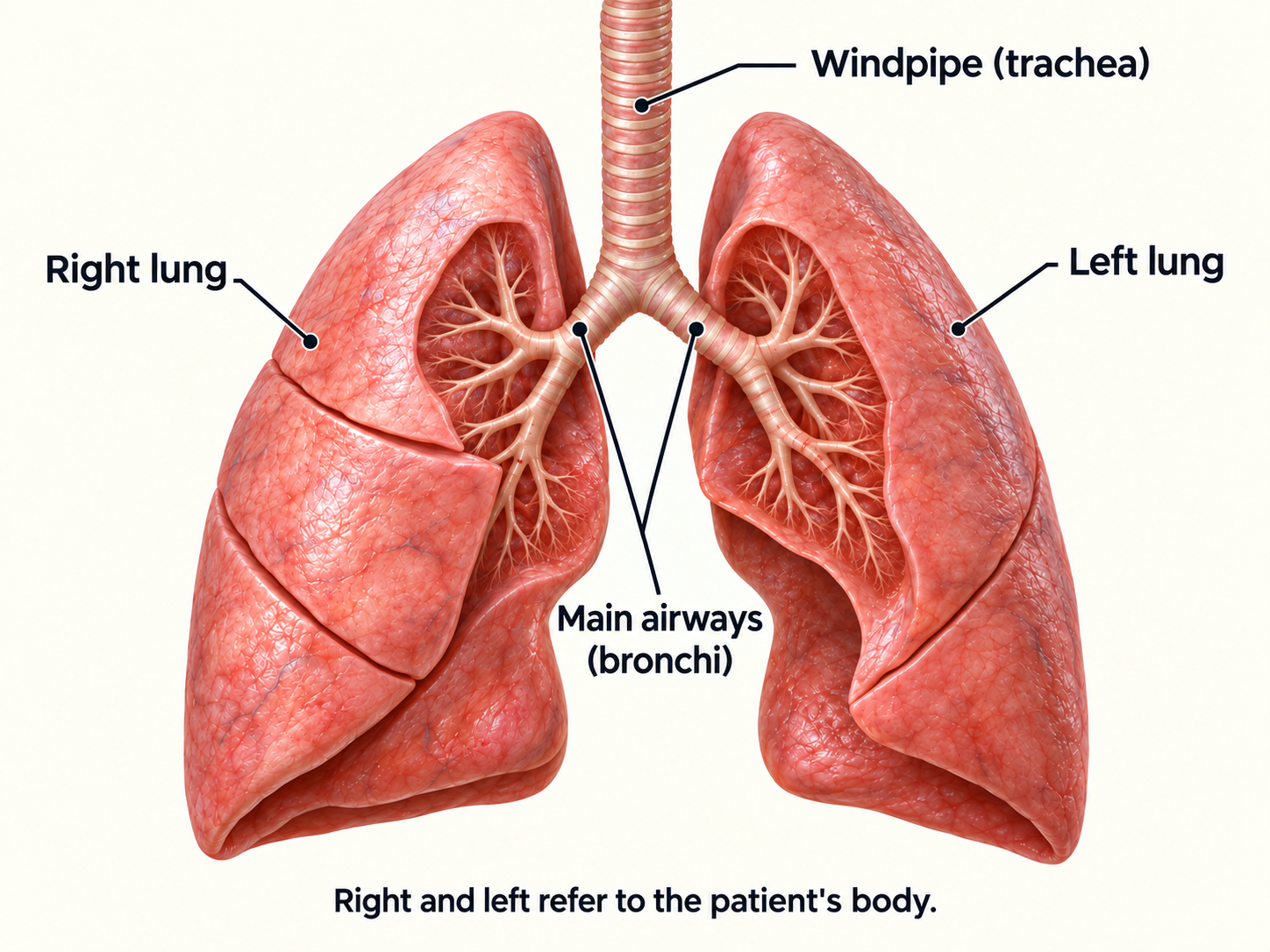
The lungs contain branching airways and tiny air sacs. Adenocarcinoma is often found toward the outer lung, while squamous cancer is often associated with larger airways. Pathology means examining cells or tissue in a laboratory. It helps distinguish these and less common cancer types because some medicines work differently or are less safe in particular types.
Cancer can spread to lymph nodes, small structures that are part of the immune system, within the chest or to other organs such as bone, liver or brain. It can also spread to the adrenal glands, which sit above the kidneys and make hormones. Spread is not determined only by how large the original lung tumour is. A small primary tumour can occasionally have distant spread, while a larger one may remain confined. The purpose of staging is to establish the actual situation before choosing treatment.
Factors that increase risk
Tobacco smoke is an important cause. Other risks include radon, a naturally occurring radioactive gas; workplace exposure to substances such as asbestos; air pollution; previous chest radiation; and inherited factors that increase risk. Many patients cannot identify a single cause. Stopping smoking after diagnosis can improve treatment tolerance and recovery and reduce other health risks. Ask for practical support, including medicines where appropriate; willpower alone is not the only option.
Screening looks for cancer before symptoms appear. Computed tomography (CT) uses X-rays to make detailed pictures inside the body. Low-dose CT screening can help selected people at increased risk; eligibility depends on local policy and individual circumstances.
Testing symptoms is different from screening. If you have persistent symptoms, you need an assessment even if you do not meet screening criteria. A normal chest X-ray does not always rule out lung cancer.
Understanding biomarkers
A biomarker is a feature of the cancer, such as a gene change or protein, that may help select treatment. A driver alteration is a gene change that helps the cancer grow. Targeted medicines block particular signals the cancer uses to grow.
Gene names on your report may include epidermal growth factor receptor (EGFR), anaplastic lymphoma kinase (ALK), human epidermal growth factor receptor 2 (HER2), ROS1, BRAF, MET, RET, NTRK, KRAS and NRG1. These letter-and-number labels identify genes; you do not need to memorise them. The team uses the exact gene and the type of change to choose treatment.
A mutation is a change in a gene. Codes such as L858R identify a particular gene change. The exact change matters: a fusion joins parts of two genes. Exons are sections of a gene: an insertion adds genetic material, a deletion removes it, and skipping leaves a section out when the gene's instructions are processed. EGFR exon 20 insertions need different treatment from the common exon 19 deletion or L858R change. MET exon 14 skipping is also different from having increased amounts of c-MET protein.
Programmed death-ligand 1 (PD-L1) is a protein measured by a separate test. It helps guide immunotherapy, medicines that help the immune system attack cancer. This test does not replace broad molecular testing, which looks for gene changes that may guide treatment. A high PD-L1 result does not automatically make immunotherapy the best first treatment when a treatable driver alteration is present. Cancer gene alterations usually arise in the tumour and are not necessarily inherited by children.
Tests and diagnosis
How cancer is diagnosed
A CT scan identifies the abnormal area and helps plan a biopsy, where a small sample is taken for laboratory testing. A sample may be obtained in several ways:
- Bronchoscopy: a thin camera tube is passed through the nose or mouth to examine the airways and take samples.
- Endobronchial ultrasound (EBUS): ultrasound through the airway helps guide a needle into nearby lymph nodes or tissue.
- Needle biopsy: a needle passes through the chest wall, guided by a scan.
- Fluid sampling or surgery: in some situations, fluid around the lung or tissue removed during an operation provides the sample.
The safest useful approach depends on the location and whether the sample can also establish the stage. The team aims to obtain enough material to identify the cancer type and test relevant biomarkers.
A lung biopsy can cause bleeding or a collapsed lung, so risks and aftercare should be explained. Tell the team about blood thinners and breathing problems. A negative or inadequate sample does not always settle the diagnosis; repeat sampling or another approach may be needed. When biopsy is unusually risky, an expert team may sometimes make a treatment decision from the overall evidence, but this is a specific judgement rather than the usual pathway.
Understanding your pathology report
The report identifies the cancer type. Special laboratory stains help tell adenocarcinoma, squamous cancer and other diagnoses apart. Ask whether the sample is sufficient for all tests that could change treatment. Broad molecular testing is particularly important in advanced non-squamous cancer, a group that includes adenocarcinoma. Some squamous cancers also need testing, depending on the person’s history, the available sample and current recommendations.
A liquid biopsy is a blood test that looks for genetic material released by the cancer. It can sometimes find a gene change that can be treated with a targeted medicine more quickly or when tissue is limited. A negative blood result does not rule out a gene change because some cancers release very little material into the blood. Tissue testing may still be needed.
If the cancer grows during treatment, a new biopsy or blood test may show why the medicine is no longer working as well. This is called treatment resistance. Testing may also show that the cancer has changed into another type. These findings can change the next treatment choice.
Scans and staging tests
Positron emission tomography combined with CT (PET-CT) uses a small amount of radioactive tracer to help show areas of active disease. Infection or inflammation can also show up, so a finding that would change treatment aimed at a cure may need a biopsy to confirm it.
Magnetic resonance imaging (MRI) uses magnetic fields and radio waves to make detailed pictures. A brain MRI may be recommended according to the stage, symptoms and treatment plan. PET-CT does not replace a separate brain assessment when one is needed.
Chest lymph nodes may be sampled by EBUS or other procedures before surgery or radiotherapy aimed at a cure. Lung function tests measure how well you breathe; exercise tests and heart checks are added when needed. Blood tests assess organ function and treatment safety. Specialists from different fields review these results together to plan your care.
Fitness for treatment
Fitness is more than age. Breathing capacity, heart health, mobility, nutrition and how much illness limits daily activity influence treatment choices. A person unsuitable for surgery may still be suitable for curative radiotherapy. Conversely, being technically able to remove a tumour does not necessarily mean surgery is the best overall plan.
Preparing for your appointment
For your consultation or a second opinion, bring a compact disc (CD) containing your scan images in Digital Imaging and Communications in Medicine (DICOM) format and the software needed to view them. DICOM is the standard format used for medical scans. Bring the written scan reports too. Bring your biopsy report and ask whether the laboratory slides or tissue samples are needed for specialist review or additional tests. Keep originals safe and agree how borrowed material will be returned. Having the actual images allows the team to compare changes and plan treatment accurately.
A repeat test is sometimes needed because an earlier sample was too small, a scan did not cover the necessary area, or a new result will change treatment. Ask what question the test will answer, how it may affect the plan, and when you should expect the result. A result described as uncertain does not automatically mean the cancer is worse. Sometimes discussion between the scan specialist, tissue specialist and treating doctors resolves the uncertainty without another procedure.
Before a scan or procedure, mention kidney problems, previous reactions to contrast dye (used to make scans clearer), implanted devices, diabetes medicines, blood-thinning medicines and the possibility of pregnancy. Follow the testing centre's instructions about food, drink and medicines. If you have not received those instructions, contact the centre rather than making changes yourself.
Planning your treatment
Understanding your stage
TNM ninth-edition staging for non-small cell lung cancer
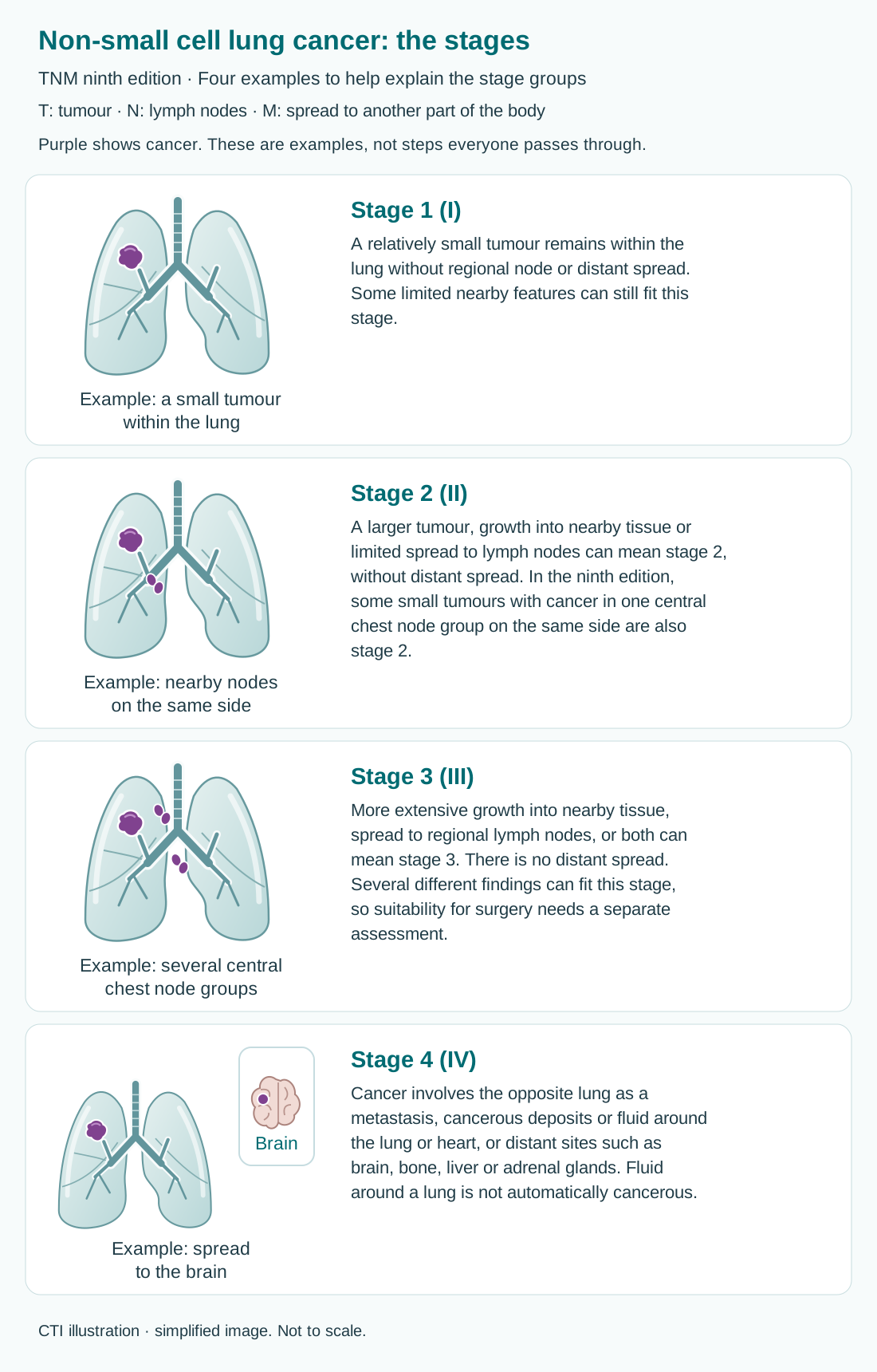
TNM describes the main tumour (T), nearby lymph nodes (N) and metastasis (M), meaning spread to another part of the body. Your team combines these findings to work out the stage. The ninth edition makes finer distinctions between groups of lymph nodes.
Lymph nodes are small immune-system structures. Regional nodes are those near or draining the cancer’s starting area; distant spread means cancer has reached a site outside that regional area. Stages describe findings, not a sequence that everyone will pass through.
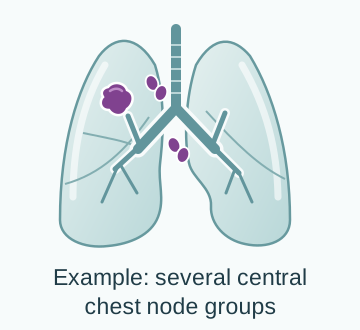
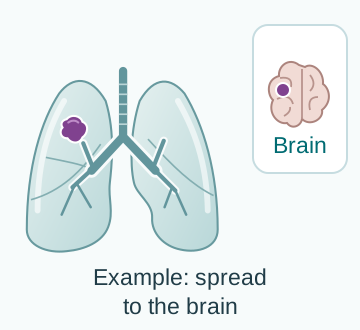
Purple shows cancer in the lung, lymph nodes or another part of the body. Each picture shows one example; the text explains other ways that stage can occur.
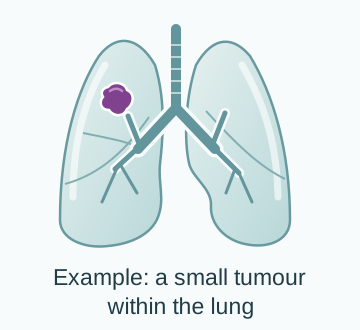
Stage 1 (I)
A relatively small tumour remains within the lung without regional node or distant spread. Some limited nearby features can still fit this stage.
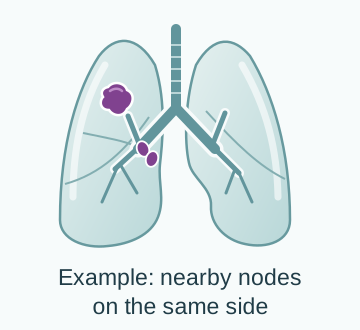
Stage 2 (II)
A larger tumour, growth into nearby tissue or limited spread to lymph nodes can mean stage 2, without distant spread. In the ninth edition, some small tumours with cancer in one central chest node group on the same side are also stage 2.
Stage 3 (III)
More extensive growth into nearby tissue, spread to regional lymph nodes, or both can mean stage 3. There is no distant spread. Several different findings can fit this stage, so suitability for surgery needs a separate assessment.
Stage 4 (IV)
Cancer involves the opposite lung as a metastasis, cancerous deposits or fluid around the lung or heart, or distant sites such as brain, bone, liver or adrenal glands. Fluid around a lung is not automatically cancerous.
CTI illustration. Enlarge the staging overview.
Stage 3 does not automatically mean surgery is possible or impossible. The exact nodes, tumour position, lung function and overall fitness matter. A few distant deposits may allow additional local treatment in selected people, but the disease is still metastatic.
Clinical stage is based on examinations, biopsies and scans. Examining tissue removed during surgery can add information, called the pathological stage. If the letters yp appear before the stage, the tissue was assessed after treatment. A more complete assessment does not necessarily mean the cancer grew while you were waiting. Grade describes how abnormal the cells look under a microscope and is different from stage.
A small number of metastases, sometimes called oligometastatic disease, may justify discussion of local treatment to all visible sites in selected patients, but is not automatically curable.
How your treatment plan is chosen
The team considers stage, tissue type, biomarkers, lung function and your priorities. When advanced cancer does not need emergency treatment, having the relevant gene test results before starting medicines that travel through the body (systemic treatment) helps the team choose the right first treatment. If symptoms require urgent treatment, ask how the team will balance speed with completing essential tests. Not every result needs the same waiting time.
Local treatments, such as surgery or radiotherapy, treat a particular area. Systemic medicines include targeted treatment, chemotherapy (medicines that kill cancer cells or stop them dividing) and immunotherapy. You may need one approach or a combination. Ask what the treatment aims to achieve and the order in which it will be given. For cancer that may be cured, treatment before or after surgery or radiotherapy can sometimes lower the risk of it returning, called recurrence.
Your care team
Your care team may include:
- Thoracic surgeon: performs operations in the chest, including lung surgery.
- Respiratory physician: assesses and treats lung and breathing conditions.
- Medical oncologist: plans cancer medicines, including chemotherapy, immunotherapy and targeted treatment.
- Radiation oncologist: plans radiotherapy.
- Radiologist and pathologist: interpret scans and examine tissue samples, respectively.
- Specialist nurses and supportive-care professionals: help with symptoms, recovery, nutrition and practical needs.
Joint review is especially useful for stage III cancer, when the suitability of surgery is uncertain, or when cancer has spread to only a few sites. A second opinion can help when there are substantially different treatment options.
Questions to ask your care team
- What is the exact cancer type and stage, and are any important results still pending?
- Is the aim to cure the cancer, reduce the chance of recurrence, control it, or relieve a particular symptom?
- What benefit do you expect from this option, and what are the reasonable alternatives for me?
- How will treatment affect everyday activities, fertility, sexual health and the things I most value?
- How will we know whether it is working, and when will we review the plan?
- Who should I contact between visits, including at night or over a weekend?
Clinical trials and newer treatments
A clinical trial can be worth considering at diagnosis or when treatment needs to change. Trials ask a defined question; some compare established treatments and others study a newer approach. Eligibility depends on the cancer, previous treatment, test results and health. Taking part is voluntary, and choosing not to participate does not remove your right to standard care. Ask about extra visits, whether treatment is assigned by chance (randomisation), costs, travel, side effects and what happens when the study ends.
Newer treatments are considered using the clinical evidence, recognised guidelines and the exact cancer type, biomarkers and previous treatment. Some options have less mature evidence than established treatments. Ask what is known, what remains uncertain and whether a clinical trial would be appropriate.
Your priorities and supportive care
Tell the team what you are hoping treatment will make possible: returning to work, caring for family, keeping independence, reducing pain or attending an important event. These priorities can influence a choice between reasonable options. If the likely benefit is small and the burden is substantial, discussing a less intensive approach is appropriate. Decisions can be revisited when your health or circumstances change.
Supportive and palliative care help with symptoms, sleep, mood, family concerns and planning. They can be provided alongside treatment intended to cure or control cancer. A referral does not mean that active treatment is ending. If the cancer cannot be cured, ask what treatments may help you live longer or more comfortably and how their burdens compare with their likely benefits.
Treatment options
Surgery for localised disease
Surgery removes the tumour and checks nearby lymph nodes. The lungs are divided into sections called lobes.
- Lobectomy removes one lobe.
- Segmentectomy removes a smaller anatomical part of a lobe and may suit selected small cancers toward the edge of the lung.
- Wedge resection removes a small wedge of lung tissue containing the tumour and is used in selected circumstances.
Sometimes a larger operation is needed. Keyhole or robotic surgery may shorten recovery for suitable patients. The priority is to remove the cancer safely and completely and assess the lymph nodes properly.
Ask about breathing after surgery, pain control, chest drains (tubes that remove air or fluid) and rehabilitation to help you recover strength and function. Stopping smoking, treating infections and improving nutrition can help preparation. The laboratory examination after surgery may show a higher or lower stage than expected and change the recommendation for further treatment. Even a clear scan cannot rule out tiny cancer cells that could cause the cancer to return.
Radiotherapy for early cancer
Stereotactic ablative radiotherapy (SABR), also called stereotactic body radiotherapy (SBRT), delivers precisely focused radiation over a small number of sessions. It can offer treatment aimed at a cure for many patients who cannot have surgery. The tumour’s position, how close it is to major airways or other organs, and any existing lung disease affect suitability and scheduling.
After SABR, the treated area can remain visible or change appearance on CT because of scarring. Interpreting follow-up scans requires experience. New breathlessness may reflect inflammation, infection, clots or cancer and should be assessed. Selected patients may discuss other local approaches when surgery and standard radiotherapy are unsuitable.
Medicines around surgery
Medicines given around surgery aim to reduce the risk of cancer returning. Neoadjuvant means before surgery, adjuvant means after surgery, and perioperative treatment spans both. Platinum-based chemotherapy usually combines cisplatin or carboplatin with another chemotherapy medicine.
Chemotherapy with immunotherapy before and after surgery
For suitable cancers that can be removed surgically, chemotherapy with immunotherapy is an established option. This commonly applies when the tumour is at least 4 cm or cancer is present in lymph nodes. Immunotherapy helps the immune system recognise and attack cancer. The team checks gene results, fitness and the planned operation before choosing treatment; EGFR- and ALK-driven cancers usually follow a targeted-treatment pathway.
- Nivolumab with chemotherapy — CheckMate 77T: treatment before surgery, then nivolumab alone afterwards.
- Pembrolizumab with chemotherapy — KEYNOTE-671: treatment before surgery, then pembrolizumab alone afterwards.
- Durvalumab with chemotherapy — AEGEAN: treatment before surgery, then durvalumab alone afterwards.
These studies used four planned treatment cycles before surgery. A cycle is a treatment period followed by time to recover. Immunotherapy continued for about 9–12 months afterwards, depending on the medicine plan, with schedules adjusted for recovery and side effects.
Treatment is not selected by PD-L1 alone; a low result does not automatically exclude these combinations. The nivolumab and durvalumab pathways require no known EGFR mutation or ALK rearrangement, a change in the way the ALK gene is joined or organised.
There is also a before-surgery nivolumab–chemotherapy approach, studied in CheckMate 816, which used three cycles before surgery. That study did not include routine nivolumab afterwards. Your team should explain which complete treatment plan is being used. Immune side effects can sometimes delay surgery or require treatment to stop.
Targeted medicines after complete surgery
Complete resection means the cancer has been fully removed by surgery. A targeted medicine may still reduce the risk of it returning. The three treatments below match different gene changes; tumour size, lymph nodes, the exact test result and the evidence for that setting determine eligibility.
- Osimertinib for EGFR exon 19 deletion or exon 21 L858R — ADAURA: an established option after complete surgery in eligible patients, usually for up to three years. Chemotherapy is also given when indicated; the trial did not establish that osimertinib replaces it.
- Alectinib for ALK-positive cancer — ALINA: an established option after complete surgery in eligible patients with a tumour at least 4 cm or involved lymph nodes, usually for two years. ALINA compared alectinib with chemotherapy, so its treatment sequence differs from the osimertinib pathway.
- Selpercatinib for RET fusion–positive cancer — LIBRETTO-432: new evidence also supports selpercatinib after surgery for selected early-stage lung cancers with a RET fusion, where part of the RET gene joins another gene. In the LIBRETTO-432 trial, treatment for up to three years reduced the risk of cancer returning. Longer follow-up is needed to establish whether it helps people live longer. Your oncology team can discuss whether this approach is suitable and how it fits with any recommended chemotherapy.
These medicines need regular monitoring even when scans show no cancer. The treatment duration may be shortened if cancer returns or side effects make continuing unsafe.
Immunotherapy started after surgery
For selected patients who had surgery first and then platinum-based chemotherapy, adjuvant immunotherapy is another pathway:
- Pembrolizumab — PEARLS/KEYNOTE-091: for eligible patients after removal of stage IB tumours at least 4 cm, or stage II or IIIA cancer.
- Atezolizumab — IMpower010: for eligible stage II–IIIA cancer with PD-L1 on at least 1% of tumour cells.
The team matches the trial's staging criteria to your pathology report and considers gene results before recommending immunotherapy. This is a separate plan from continuing immunotherapy already started before surgery.
Stage III cancer
Some stage III cancers can be treated with surgery as part of a combined plan. When surgery cannot safely remove the cancer, it is described as unresectable. For patients well enough to receive both, chemotherapy and chest radiotherapy given together (chemoradiotherapy) are a common approach.
Giving the treatments one after the other, or radiotherapy alone, may be more suitable when giving them together would be too difficult.
If the cancer has not grown or spread after chemoradiotherapy, further treatment, called consolidation, may lower the chance of it returning. Durvalumab is used for appropriate patients, with eligibility determined by tumour features and the treatment setting. For unresectable stage III NSCLC with EGFR exon 19 deletion or L858R that has not progressed after platinum-based chemoradiotherapy, osimertinib is an important option. These are different pathways, not medicines that should routinely be combined.
Advanced cancer with a targetable driver
First-line treatment: match the medicine to the driver
Metastatic cancer has spread to distant sites. First-line treatment means the first medicine plan for this stage of the disease. When testing finds a driver with an effective first-line targeted treatment, that treatment is usually prioritised, even if PD-L1 is high. Wherever it is safe to wait, the team reviews the molecular results before starting immunotherapy.
Examples of first-line choices include:
- EGFR exon 19 deletion or exon 21 L858R: options include osimertinib alone, osimertinib with platinum chemotherapy and pemetrexed, or amivantamab with lazertinib. Fitness, side effects and the extent of cancer help determine which is suitable.
- EGFR exon 20 insertion: amivantamab with carboplatin and pemetrexed. Other uncommon EGFR changes need their own treatment assessment.
- ALK-positive cancer: alectinib or lorlatinib are examples of modern targeted options. Effects on cancer in the brain and differences in side effects help guide the choice.
- ROS1 fusion: repotrectinib or taletrectinib are examples of targeted options.
- RET fusion: selpercatinib is a first-line targeted option.
- BRAF V600E: dabrafenib with trametinib is a matched two-medicine option; it does not apply to every BRAF change.
- MET exon 14 skipping: tepotinib is a targeted option. A high c-MET protein result alone is a different finding.
- HER2 activating mutations: when the change is in the tyrosine kinase domain, the part controlling the growth signal, zongertinib or sevabertinib are options for eligible non-squamous NSCLC, including previously untreated disease. A HER2 mutation is different from simply having increased HER2 protein.
Rare NTRK gene fusions may also be treated with a matched medicine such as larotrectinib in selected patients with no satisfactory alternative treatment who meet its other treatment criteria.
These examples are not a complete list. Medicines used after previous treatment are not automatically suitable first choices. Treatments targeting KRAS G12C or NRG1 fusions currently have roles after prior treatment. Finding one of these changes does not by itself mean that initial chemotherapy and immunotherapy should be skipped.
All targeted treatments need monitoring. Depending on the medicine, risks include lung inflammation, liver problems, diarrhoea, skin reactions or heart effects. HER2-directed antibody–drug conjugates, which carry chemotherapy to cells with the target, have different eligibility from the HER2 tablets listed above.
Targeted treatment usually continues while it is helping and the side effects are manageable. If one or a few areas grow while other cancer remains controlled, the team may treat those areas and continue the medicine. If cancer grows more widely, tests may look for resistance changes and help select the next treatment. Discuss the scan and medicine plan with your oncology team before making any change.
Advanced cancer without a suitable driver
First-line treatment: use PD-L1 and the cancer subtype
If there is no suitable first-line targeted treatment, chemotherapy combined with an immune checkpoint inhibitor is a common first choice for patients fit enough to receive it. These immunotherapy medicines block signals such as programmed death 1 (PD-1) or PD-L1 that can stop immune cells attacking cancer. Your PD-L1 result helps the team choose between immunotherapy alone and a combination with chemotherapy.
- PD-L1 50% or higher: immunotherapy alone, such as pembrolizumab, is an established possibility in suitable patients without a driver that should be treated first. This was studied in KEYNOTE-024. Chemotherapy with immunotherapy may still be preferred when symptoms or the amount of cancer make prompt shrinkage particularly important.
- PD-L1 below 50%, including a negative result: chemotherapy with immunotherapy is commonly preferred when the person can tolerate both. A low PD-L1 result does not mean immunotherapy cannot help. In selected patients with PD-L1 of 1–49% who cannot receive chemotherapy, immunotherapy alone may be considered.
The chemotherapy medicines depend on the tissue type:
- Non-squamous cancer, including adenocarcinoma: a common combination is pembrolizumab with pemetrexed and either carboplatin or cisplatin, studied in KEYNOTE-189.
- Squamous cancer: a common combination is pembrolizumab with carboplatin and either paclitaxel or albumin-bound paclitaxel, studied in KEYNOTE-407.
Other established plans use two immunotherapy medicines, sometimes with a short chemotherapy course, or a medicine that blocks tumour blood-vessel growth in selected non-squamous cancers. If immunotherapy is unsuitable, chemotherapy without it remains an option. An autoimmune condition, where the immune system attacks healthy tissue, a previous organ transplant, bleeding risk, lung disease or general fitness can change the recommendation.
After the initial combination, maintenance treatment continues some medicines to keep the cancer controlled. For example, pembrolizumab with pemetrexed may continue after the platinum medicine stops in non-squamous disease; pembrolizumab alone may continue after chemotherapy in squamous disease. The team will explain the planned duration and monitoring.
If the cancer grows after treatment
If cancer grows, the next choice depends on previous medicines, duration of benefit, molecular results and fitness. Options may include chemotherapy, a matched targeted drug, an antibody–drug conjugate or a trial. Drugs directed at high c-MET protein or other markers require their own validated eligibility tests; they should not be confused with treatments for a different gene alteration.
Zidesamtinib is an option for ROS1-positive advanced disease after at least one ROS1 inhibitor. This is a later-line indication, not evidence that it should replace every initial ROS1 treatment. The team should check the current evidence and treatment-specific eligibility before proposing a newer medicine.
For EGFR exon 20 insertion disease progressing after platinum chemotherapy, sunvozertinib is a treatment option. This is a specific mutation and prior-treatment setting, not a treatment for every EGFR-positive cancer. Other antibody–drug conjugates and targeted strategies have additional narrow indications. The team should check the exact label and previous treatment rather than selecting a drug from its name alone.
Taking targeted medicines safely
Ask whether tablets should be taken with food, what to do after vomiting or a missed dose, and which medicines or supplements interact. Some lung cancer medicines interact with acid-reducing drugs, heart medicines, medicines to prevent seizures or particular foods. Do not apply instructions from one targeted medicine to another. Keep the original packaging and an up-to-date medicine list when travelling or attending another hospital.
A new rash or diarrhoea can often be managed with early advice, while severe skin reactions, fainting, jaundice or breathing changes need urgent assessment. Blood tests, electrocardiograms (ECGs, tests of the heart’s electrical activity) or heart scans may be scheduled even when you feel well because some side effects cause no symptoms at first. Dose adjustment does not necessarily mean the drug has stopped working; it can help maintain safe, effective treatment over time.
Brain, bone and other symptoms
Cancer that has spread to the brain may need surgery, precisely focused radiotherapy, radiotherapy to a wider brain area or a cancer medicine that works in the brain. The choice depends on symptoms, the number and size of affected areas, and gene test results. Steroid medicines can reduce swelling but do not replace cancer treatment.
Bone pain or a risk of a broken bone may need radiotherapy, assessment by a bone specialist and medicines that help protect the bones.
Fluid around the lung can be drained. If it keeps returning, options include pleurodesis, a procedure that seals the space where fluid collects, or a catheter, a thin tube left in place to drain it. A blocked airway may be treated through a bronchoscope, the camera tube used to examine the airways, or with radiotherapy. These measures can improve breathing and daily life alongside systemic treatment. New symptoms should be assessed rather than assumed to mean all treatment has stopped working.
Managing side effects
Breathing and treatment-related lung inflammation
Report new or worsening breathlessness, cough, fever or oxygen problems promptly. Radiotherapy, immunotherapy and some targeted medicines can cause pneumonitis, meaning inflammation in the lungs. Infection, blood clots, fluid and cancer can cause similar symptoms. The causes require different treatments. Do not start steroids or antibiotics on your own or wait until the next scheduled scan.
Pacing activities, breathing techniques and pulmonary rehabilitation, a programme of exercises and support for people with lung problems, can help selected patients. Oxygen is prescribed when indicated by assessment, not simply because someone has lung cancer. Tell the team if breathlessness prevents sleeping, eating or washing; symptom control can often be improved even while investigations continue.
Other treatment effects
Chemotherapy may cause low blood counts, nausea, kidney effects, hearing changes or nerve symptoms depending on the regimen. Targeted medicines can cause rash, diarrhoea, liver abnormalities and, with some drugs, heart rhythm or heart-function problems. Immunotherapy can inflame bowel, liver, lungs, skin or hormone-producing glands, sometimes after treatment ends. New diarrhoea, jaundice (yellowing of the skin or eyes), marked tiredness or unusual thirst needs review.
Chest radiotherapy can make swallowing painful. Early pain relief and dietitian input can prevent dehydration and weight loss. Report persistent numbness, tingling or nerve pain (neuropathy), balance problems or dizziness because they can increase the risk of falls and affect independence. Oral treatment is still active cancer treatment and needs regular monitoring and interaction checks.
Keeping treatment manageable
Keep the team's contact details available and know where to go outside clinic hours. Report side effects early rather than waiting until the next appointment. A short record of symptoms, temperature, fluid intake and medicines can help the team decide what is needed. Do not change cancer medicine doses, restart a stopped treatment, or use leftover antibiotics without instructions. A planned delay or dose adjustment can be an important part of safe treatment.
If you receive treatment that can lower white blood cells, a temperature of 38°C (100.4°F) or higher needs urgent advice. Follow any lower threshold or additional instructions your team gives you. Chills, sudden weakness, confusion or feeling very unwell also need urgent assessment, even without a fever. Do not wait for a blood test appointment or try to hide the fever with medicine before speaking to the team.
Severe breathlessness, chest pain, a new seizure, sudden weakness, heavy bleeding or collapse require emergency care. New severe back pain with leg weakness, numbness around the bottom, or loss of bladder or bowel control also needs immediate assessment. Contact the nearest emergency service when necessary; a website contact form or routine messaging service is not an emergency pathway.
Eating, drinking and energy
Treatment may change appetite, taste, bowel habits and energy. Small, frequent meals and foods containing protein can be easier than large meals. Ask for dietitian support if weight is falling, swallowing is difficult, or you are avoiding many foods. There is no single diet that treats cancer, and severe restriction or prolonged fasting can make it harder to tolerate treatment. Check supplements with your team because some interact with medicines.
Take anti-sickness medicine as prescribed and report vomiting that prevents you keeping down fluids or essential medicines. Seek advice for persistent diarrhoea, dizziness, very little urine or increasing weakness. Fluid recommendations may need adjustment if you have heart or kidney disease. Mouth ulcers, pain or infection that interferes with eating should be treated promptly rather than accepted as unavoidable.
Gentle movement, short walks and planned rest may help fatigue, but activity should match your condition and any surgical or bone-safety restrictions. Fatigue can also reflect anaemia (a low level of red blood cells), infection, hormone changes, pain, poor sleep or low mood. Let the team assess a marked or persistent change. Accepting help with shopping, transport or meals can conserve energy for the activities that matter to you.
Live well
Follow-up after treatment
After treatment aimed at a cure, planned chest scans help look for cancer returning or a new lung cancer. The schedule depends on the treatment and risk; scans are not necessarily needed every few weeks. Report persistent new symptoms between visits. During treatment for metastatic cancer, scans help check how well treatment is working. The team considers the images together with symptoms and side effects.
Long-term recovery may involve breathing rehabilitation, management of heart and lung disease, smoking cessation and emotional support. Return to activity gradually. If a scan shows an uncertain change after radiotherapy or immunotherapy, the team may recommend another scan after an agreed interval or further tests before deciding whether the cancer has grown. Ask what is known, what remains uncertain and what would change the next decision.
Emotional and practical support
Feeling frightened, angry, sad or uncertain is understandable. You do not have to appear positive all the time. Ask about counselling, specialist emotional support for people with cancer (psycho-oncology), support groups or a social worker if worry is affecting sleep, relationships or daily life. Persistent depression, panic or thoughts of self-harm need prompt professional help. Caregivers may need their own support and breaks; one person should not have to manage every appointment and household task alone.
It can help to agree who will update relatives and how much information you want shared. Children usually benefit from honest, age-appropriate explanations and reassurance about who will care for them. Ask permission before discussing private medical information with others. If concentration or memory is difficult, use reminders, a calendar and a trusted companion at important consultations.
Relationships, fertility and sexual health
Cancer and treatment can affect desire, comfort, fertility, body image and confidence. These are valid medical concerns. Raise fertility questions before treatment when possible, because some protective options need to be arranged early. The right approach depends on age, the treatment and how urgently it must start. Do not assume that absent periods or reduced fertility means pregnancy is impossible. Ask about contraception and the safe timing of pregnancy for your specific medicines.
Explain any pain, dryness, erection difficulties or changes in intimacy to the team. Appropriate treatments, rehabilitation and counselling can help. You can choose how much to involve a partner. Advice about hormone-containing treatments needs to take the cancer type and treatment into account; do not start them without discussing suitability.
Planning ahead while living well
Ask for a clear follow-up plan and know which symptoms should be reported between visits. Continue care for other conditions and discuss vaccinations with your oncology team; the timing and suitability of live vaccines can change during treatment. Avoid tobacco and ask for practical cessation support if needed. Activity, food and sleep plans should be realistic for your health rather than another source of pressure.
If treatment is long term, arrange periodic discussions about what is helping, what is difficult and what you want next. Planning for future care can protect your preferences and reduce uncertainty for family. You can discuss who should help with decisions if you become too unwell to speak for yourself, while continuing treatment and everyday life now.
Sources and further reading
For more information, explore these resources from the National Cancer Institute (NCI) and other medical organisations. The linked organisations have not reviewed or endorsed this CTI guide. Your care team can explain how the information applies to you.
- NCI: Non-Small Cell Lung Cancer Treatment (PDQ®)–Patient Version
- ASCO guideline collection and update status
- ASCO thoracic cancer guidelines
- FDA: expanded sevabertinib indication, September 2026
- EMA: HER2-mutated NSCLC indication for Enhertu
- FDA: EGFR exon 20 indication
- ASCO driver-altered NSCLC living guideline, version 2026.3.3 — record
- ESMO non-oncogene-addicted NSCLC update, 2025
- CheckMate 816: nivolumab with chemotherapy before surgery
- FDA: perioperative nivolumab — CheckMate 77T
- FDA: perioperative pembrolizumab — KEYNOTE-671
- FDA: perioperative durvalumab — AEGEAN
- ADAURA: osimertinib after complete surgery
- ALINA: alectinib after complete surgery
- LIBRETTO-432: adjuvant selpercatinib in early-stage RET fusion–positive NSCLC
- FDA: pembrolizumab after surgery and chemotherapy — KEYNOTE-091
- FDA: atezolizumab after surgery and chemotherapy — IMpower010
- FDA: first-line osimertinib with chemotherapy — FLAURA2
- FDA: amivantamab with chemotherapy for EGFR exon 20 insertions — PAPILLON
- FDA: expanded zongertinib indication, February 2026
- KEYNOTE-024: pembrolizumab alone for high PD-L1 NSCLC
- KEYNOTE-189: pembrolizumab with chemotherapy for non-squamous NSCLC
- KEYNOTE-407: pembrolizumab with chemotherapy for squamous NSCLC
- NCI: biomarker testing for cancer treatment
- NCI: immune checkpoint inhibitors
- NCI: nerve problems during cancer treatment
Staging and risk-group references
TNM ninth edition / AJCC Version 9, introduced in 2025.
- AJCC: Current staging editions by cancer type (2026)
- IASLC: Evidence supporting ninth-edition lung cancer stage groups
- Cancer Research UK: stage 1 lung cancer (ninth edition)
- Cancer Research UK: stage 2 lung cancer (ninth edition)
- Cancer Research UK: stage 3 lung cancer (ninth edition)
- Cancer Research UK: stage 4 lung cancer (ninth edition)
Medicine approval and prescribing references
These official records describe licensed uses and prescribing information for the medicines named in this guide. Approval depends on the cancer type, biomarkers, previous treatment, combination and formulation. Some uses discussed in the guide are off-label: outside the medicine’s licence, with evidence from clinical guidelines or studies. FDA or EMA approval does not establish approval or availability in India.
- Alectinib — FDA prescribing information · Approval history
- Amivantamab — FDA prescribing information · Approval history
- Atezolizumab — FDA prescribing information · Approval history
- Carboplatin — FDA prescribing information · Approval history
- Cisplatin — FDA prescribing information · Approval history
- Dabrafenib — FDA prescribing information · Approval history
- Durvalumab — FDA prescribing information · Approval history
- Larotrectinib — FDA prescribing information · Approval history
- Lazertinib — FDA approval record
- Lorlatinib — EMA approval record
- Albumin-bound paclitaxel (Abraxane) — FDA prescribing information · Approval history
- Nivolumab — FDA prescribing information · Approval history
- Osimertinib — FDA prescribing information · Approval history
- Paclitaxel — FDA prescribing information · Approval history
- Pembrolizumab — FDA prescribing information · Approval history
- Pemetrexed — EMA approval record
- Repotrectinib — FDA approval record
- Selpercatinib — FDA prescribing information · Approval history. The adjuvant discussion is based on LIBRETTO-432; the linked licence describes advanced disease.
- Sevabertinib — FDA prescribing information · Approval history
- Sunvozertinib — FDA prescribing information · Approval history
- Taletrectinib — FDA approval record
- Tepotinib — FDA approval record
- Trametinib — FDA prescribing information · Approval history
- Zidesamtinib — FDA prescribing information · Approval history
- Zongertinib — FDA prescribing information · Approval history
Additional medicine approval notices
These records explain the specific medicine uses and eligibility requirements discussed in this guide.
Related care
Meet our doctors



Where to get care