

Share
Start here
Anal cancer at a glance
Anal cancer starts in the tissues at the end of the digestive tract, where stool leaves the body. Most anal cancers start in squamous cells, the flat cells lining the anal canal. Unlike rectal adenocarcinoma, which starts in gland-forming cells, many localised anal squamous cancers are treated primarily with chemotherapy and radiotherapy together (chemoradiotherapy), aiming to cure the cancer while preserving the anus. Surgery has important roles in selected very early cancers and in cancer that persists or returns after treatment.
This guide focuses on anal squamous cell carcinoma. Anal adenocarcinoma, melanoma and neuroendocrine cancers require different specialist pathways. A pathology report confirming the type is essential before applying the information here. Anal cancer is an illness, not a reason for shame, and the team should make examination and discussion as comfortable and respectful as possible.
Symptoms and warning signs
Bleeding from the anus, a persistent lump or ulcer, pain, itching, discharge, a change in bowel control or enlarged groin nodes should be assessed. Haemorrhoids (piles) and other non-cancerous problems can cause similar symptoms, but continuing or changing symptoms need examination rather than repeated treatment without a diagnosis. Symptoms can be mild at first.
Seek urgent help for heavy bleeding, severe increasing pain with fever, inability to pass stool or gas with abdominal swelling and vomiting, or marked dehydration. Difficulty passing urine can also require urgent assessment. Tell the team if embarrassment has made it difficult to describe symptoms; these are familiar medical concerns and deserve care.
Making this information useful to you
A cancer diagnosis can arrive before you have had time to understand the tests. You do not need to learn every treatment name at once. Begin with the exact diagnosis, where the cancer is, and what the team recommends next. A relative or friend can join the appointment if you would find that helpful. Ask for an interpreter when language makes a discussion harder; important decisions should not depend on guessing unfamiliar words.
This guide explains possibilities, not a prescription for your situation. Your pathology, scan findings, general health, previous treatment and priorities determine which possibilities apply. Two people with the same cancer name may appropriately receive different treatment. If a recommendation differs from something you have read, ask the team to explain the reason and the evidence behind it.
Keep a list of medicines, allergies and other health conditions, including non-prescription products, vitamins and herbal remedies. Tell the team about previous cancer treatment, pregnancy or breastfeeding, and anything that could affect attending appointments. Do not stop an established medicine without advice. Bring your questions in the order that matters most to you, so that the most important concern is discussed first.
Understand
Anal canal, anal margin and nearby structures
The anal canal is the short passage between the rectum and the outside of the body. The anal margin is the surrounding skin. Muscles called sphincters help control bowel movements. The precise location and relationship to these muscles influence whether a small lesion can be removed locally or needs chemoradiotherapy.
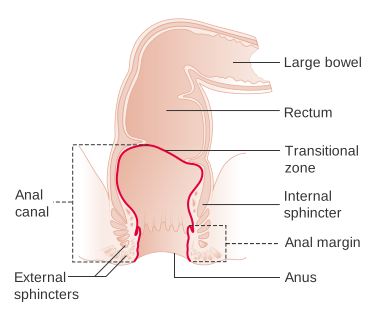
Anal cancer and rectal cancer are not interchangeable names. They often have different cell types and treatment sequences, even though the organs are close together. Cancer in groin or certain pelvic lymph nodes can still be regional disease rather than distant metastasis. The staging interpretation should come from the specialist team.
HPV and other risk factors
Persistent infection with certain high-risk human papillomavirus types, or HPV, is linked to most anal squamous cancers. HPV is common and can remain unnoticed for many years. A diagnosis cannot establish when an infection was acquired or from whom, and it should not be used to draw conclusions about a relationship.
Smoking, human immunodeficiency virus (HIV) and other causes of reduced immune function can increase risk. A history of HPV-related precancer or cancer at another site can also be relevant. Many people exposed to HPV never develop cancer. The diagnosis is not a personal failing, and practical support should be offered without stigma.
Precancer and prevention
High-grade squamous intraepithelial lesions, sometimes called HSIL or high-grade AIN, are abnormal cells that have not become invasive cancer. Their assessment and treatment differ from treatment of an invasive tumour. Selected higher-risk populations may benefit from specialist screening and treatment programmes. A routine cervical screening test does not screen the anus.
HPV vaccination helps prevent new infections with covered HPV types but does not treat an existing anal cancer. Eligibility and scheduling depend on age, immune status and local policy. Ask about appropriate prevention and other HPV-related screening without assuming that every patient needs the same tests. Tobacco cessation remains a useful part of care.
Tests and diagnosis
How cancer is diagnosed
Assessment includes examination of the anus, rectum and groin nodes. A short instrument may be used to inspect the anal canal, and a biopsy confirms the diagnosis. If examination is too painful, it may be arranged with suitable anaesthesia. You can ask for a chaperone, an explanation before each step and a pause if needed.
The biopsy identifies squamous cancer and may include p16 testing as a marker associated with HPV-related disease. A suspicious groin node may be sampled. The team should distinguish an invasive cancer from HSIL and from other rare tumour types, because the treatment implications are substantial. Colonoscopy may be recommended for other symptoms or appropriate bowel assessment, but it does not replace careful anal examination.
Scans and staging tests
Pelvic magnetic resonance imaging (MRI) helps assess the local tumour and nearby structures. Computed tomography (CT) of the chest and abdomen evaluates possible distant spread; positron emission tomography combined with CT (PET-CT) can help with nodes and radiotherapy planning in suitable cases. A scan abnormality is not always cancer, and occasionally further assessment is needed before changing treatment intent.
Blood tests check blood counts and organ function. HIV testing is commonly discussed because the result can affect supportive care and coordination, not because it changes a person's entitlement to cancer treatment. With effective HIV care, many patients can receive standard curative treatment. Decisions should reflect immune status, medicines and health rather than HIV status alone.
When local surgery may be suitable
Some small, well-positioned anal-margin cancers can be managed by local excision. That exception should not be applied to all small anal-canal cancers. The exact site, depth, margins, grade and sphincter involvement matter. A specialist review is useful before an operation that could affect bowel control.
Checks before chemotherapy
A fluoropyrimidine such as fluorouracil, also called 5-FU, or capecitabine is often part of chemoradiotherapy. The enzyme dihydropyrimidine dehydrogenase (DPD) helps the body break down these medicines. Low DPD activity can increase the risk of severe side effects.
US FDA guidance recommends testing for changes in the DPYD gene before fluorouracil or capecitabine starts, unless immediate treatment is necessary. DPYD is the gene that makes the DPD enzyme. Your team should explain the testing and treatment plan. Complete DPD deficiency means these medicines should not be used; partial deficiency requires an individual starting-dose plan. A normal result does not remove every risk of side effects.
Kidney function, other medicines and ability to take tablets influence whether capecitabine is suitable. If an infusion is planned, discuss the line or pump and how to obtain help if it leaks or stops. Do not assume oral chemotherapy can be taken without the same level of safety monitoring as an infusion.
Preparing for your appointment
For your consultation or a second opinion, bring a CD containing your scan images (DICOM format) and the software needed to view them, along with the written scan reports. Bring your biopsy report and ask whether the pathology slides or tissue blocks are needed for specialist review or additional tests. Keep originals safe and agree how borrowed material will be returned. Having the actual images allows the team to compare changes and plan treatment accurately.
A repeat test is sometimes needed because an earlier sample was too small, a scan did not cover the necessary area, or a new result will change treatment. Ask what question the test will answer, how it may affect the plan, and when you should expect the result. A result described as uncertain does not automatically mean the cancer is worse. Sometimes discussion between the radiologist, pathologist and treating specialists resolves the uncertainty without another procedure.
Before a scan or procedure, mention kidney problems, previous contrast reactions, implanted devices, diabetes medicines, blood-thinning medicines and the possibility of pregnancy. Follow the testing centre's instructions about food, drink and medicines. If you have not received those instructions, contact the centre rather than making changes yourself.
Planning your treatment
Understanding your stage
AJCC version 9 staging for anal squamous cell cancer
This explanation uses the newer AJCC version 9 groups for squamous cell cancer of the anal canal or margin. Older reports may use the eighth edition and assign a different stage number to the same tumour and node findings.
Lymph nodes are small immune-system structures. Regional nodes are those near or draining the cancer’s starting area; distant spread means cancer has reached a site outside that regional area. Stages describe findings, not a sequence that everyone will pass through.
T — Size and nearby organs
T1 is no larger than 2 cm; T2 is larger than 2 cm and no larger than 5 cm; T3 is larger than 5 cm. T4 means growth into a neighbouring organ, such as the bladder or vagina.
N — Regional lymph nodes
Nearby lymph nodes, including groin nodes and certain pelvic nodes, are regional nodes. Cancer in these nodes does not automatically mean distant spread.
M — Distant spread
M1 means cancer has reached a distant site, such as the liver, lungs or distant lymph nodes. M0 means no distant spread has been found.
CTI illustration.
Stage 1 (I)
The tumour is no larger than 2 cm, with no regional node involvement or distant spread.
Stage 2 (II)
IIA is a tumour larger than 2 cm and no larger than 5 cm, without involved nodes. IIB is a tumour no larger than 5 cm with regional lymph-node involvement. Neither has distant spread.
Stage 3 (III)
IIIA is a tumour larger than 5 cm, with or without regional nodes. IIIB or IIIC involves a neighbouring organ such as the bladder, vagina or urethra, without or with regional nodes. There is no distant spread.
Stage 4 (IV)
Cancer has spread to distant sites, such as liver, lung or distant lymph nodes.
Groin nodes can be regional nodes in anal cancer; they are not automatically distant spread. Many stage 2 and stage 3 cancers can be treated with curative intent. Ask which edition and tumour-and-node findings apply to your diagnosis.
Clinical stage comes from examination, biopsies and scans. Pathological stage can add information from surgery; a prefix such as yp means the tissue was assessed after treatment. A revised assessment does not necessarily mean the cancer grew while you were waiting. Grade describes the cells’ behaviour and is different from stage.
How your treatment plan is chosen
A bowel surgeon, a doctor specialising in radiotherapy and a doctor specialising in cancer medicines plan your care together. Specialists in scans, laboratory testing and nursing also contribute. The aim for most non-metastatic squamous cancers is cure with preservation of the anus. The team considers the cancer's extent, bowel function, immune status, general health and what support you have during treatment.
Chemoradiotherapy is usually given over several weeks, with support from your care team throughout. Planning transport, skin care, meals, toilet access and pain relief can help you stay comfortable and keep treatment on track. Let the team know early about side effects so they can help. If a treatment break is needed for medical reasons, the team will guide you; contact them before missing an appointment.
When a stoma is discussed
A stoma brings bowel to the abdominal skin so stool can pass into a bag. It is not required for everyone receiving chemoradiotherapy. Before treatment, a temporary diversion may be considered for severe obstruction, a fistula, infection or symptoms that make treatment unsafe or intolerable. Some stomas later become permanent; ask about the likely plan for you.
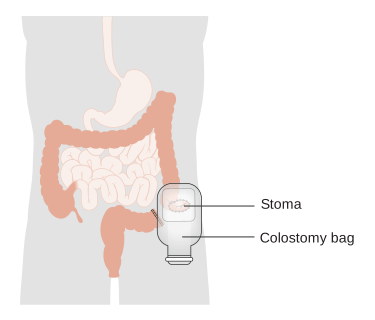
If salvage surgery is needed after chemoradiotherapy, a permanent colostomy is often part of the operation. Meeting a stoma nurse before surgery helps with siting, equipment, daily care and questions about body image. A stoma can be a practical way to restore comfort and function. Needing one is not your fault.
Questions specific to anal cancer
Ask whether the tumour is in the anal canal or margin, why chemoradiotherapy or surgery is recommended, and how response will be assessed. Discuss expected short-term bowel and skin effects and possible long-term sexual or pelvic effects. Ask about fertility preservation before pelvic treatment and whether a gynaecology, sexual-health or pelvic-floor referral would help.
Questions to ask your care team
- What is the exact cancer type and stage, and are any important results still pending?
- Is the aim to cure the cancer, reduce the chance of recurrence, control it, or relieve a particular symptom?
- What benefit do you expect from this option, and what are the reasonable alternatives for me?
- How will treatment affect everyday activities, fertility, sexual health and the things I most value?
- How will we know whether it is working, and when will we review the plan?
- Who should I contact between visits, including at night or over a weekend?
Clinical trials and newer treatments
A clinical trial can be worth considering at diagnosis or when treatment needs to change. Trials ask a defined question; some compare established treatments and others study a newer approach. Eligibility depends on the cancer, previous treatment, test results and health. Taking part is voluntary, and choosing not to participate does not remove your right to standard care. Ask about extra visits, possible randomisation, costs, travel, side effects and what happens when the study ends.
Newer treatments are considered using the clinical evidence, recognised guidelines and the exact cancer type, biomarkers and previous treatment. Some options have less mature evidence than established treatments. Ask what is known, what remains uncertain and whether a clinical trial would be appropriate.
Your priorities and supportive care
Tell the team what you are hoping treatment will make possible: returning to work, caring for family, keeping independence, reducing pain or attending an important event. These priorities can influence a choice between reasonable options. If the likely benefit is small and the burden is substantial, discussing a less intensive approach is appropriate. Decisions can be revisited when your health or circumstances change.
Supportive and palliative care help with symptoms, sleep, mood, family concerns and planning. They can be provided alongside treatment intended to cure or control cancer. A referral does not mean that active treatment is ending. If the cancer cannot be cured, ask what treatments may help you live longer or more comfortably and how their burdens compare with their likely benefits.
Treatment options
Chemoradiotherapy for localised cancer
Radiotherapy treats the primary tumour and appropriate regional lymph node areas. Chemotherapy makes the cancer more sensitive to radiation and treats microscopic disease. A commonly used combination is mitomycin with 5-FU or capecitabine. The schedule, doses and radiotherapy fields are individualised by the treating team.
Cisplatin with 5-FU is an alternative in selected circumstances. Ask your team why an alternative is suitable for you. Two combinations are not interchangeable simply because each contains two chemotherapy medicines. Additional chemotherapy before or after definitive chemoradiotherapy is not routinely needed outside an appropriate indication or trial.
What radiotherapy involves
Planning usually involves a CT scan and finding a comfortable position that can be repeated at each treatment session. Modern techniques such as intensity-modulated radiotherapy help shape the dose around the target while limiting exposure to other tissues. Treatment is commonly delivered on weekdays over several weeks. The machine does not touch the tumour, and external-beam treatment does not make you radioactive.
Follow the department's instructions about bladder filling, bowel preparation, creams and clothing. These instructions can differ by centre, so use the plan you have been given rather than advice from another patient's course. Skin soreness often builds during treatment and may peak shortly after it ends. The team can adjust supportive care as symptoms change.
Assessing response without rushing to surgery
Anal cancer may continue shrinking for months after chemoradiotherapy. An early residual lump or abnormal scan does not always mean viable cancer remains. The team uses examination and appropriate imaging over time, provided there is no convincing progression. An initial response examination is usually performed 8–12 weeks after chemoradiotherapy finishes.
If an abnormality persists but is not progressing, close reassessment may continue for up to six months after treatment to allow further regression. This is a specialist monitoring decision, not a reason to ignore worsening symptoms or confirmed progression.
Ask whether the finding is improving, stable or progressing and what would trigger a biopsy or further treatment. The aim is to allow healing while promptly investigating signs that the cancer is growing.
When a small area of cancer can be removed
A carefully selected small anal-margin cancer, or a superficially invasive lesion meeting strict criteria, may be removed locally with adequate margins while preserving function. The pathology and margin result determine whether further treatment is needed. This decision belongs with an experienced team; an apparently small lesion is not automatically suitable.
If cancer is unexpectedly found after a minor procedure, specialist review of the pathology and operative details is important. Do not assume that removal of the visible lump has completed treatment. Conversely, a full radical operation is not automatically necessary if a less extensive approach is appropriate.
Persistent or recurrent local cancer
Biopsy-confirmed persistent or recurrent disease after chemoradiotherapy may be treated with salvage surgery when complete removal is feasible. An abdominoperineal resection removes the anus and rectum and results in a permanent colostomy. More extensive surgery or reconstruction may be needed when adjacent tissues are involved.
The operation should be planned in a centre experienced with previously irradiated tissues. Discuss wound healing, reconstruction, sexual and urinary function, recovery time and the chance of complete removal. A new biopsy and restaging help ensure that surgery is being proposed for the right problem and with a realistic goal. Local recurrence is not the same as treatment-related scarring or an ulcer that is still healing.
Metastatic or inoperable recurrent cancer
When cancer has spread or cannot be managed with curative local treatment, medicines that work throughout the body (systemic therapy) aim to control it and relieve symptoms. Carboplatin with paclitaxel is an established chemotherapy combination. Retifanlimab with this combination is a preferred first-line option for inoperable locally recurrent or metastatic anal squamous cancer.
Retifanlimab alone is an option after progression on or intolerance to platinum-based chemotherapy. Treatment choices depend on previous immunotherapy, health and access; a medicine used earlier is not automatically effective again after progression.
If immunotherapy was not used initially, it is a preferred later option for eligible patients. After previous immunotherapy, chemotherapy choices depend on earlier exposure and fitness; options include capecitabine with oxaliplatin (CAPEOX), fluorouracil with folinic acid and oxaliplatin (FOLFOX), cisplatin with fluorouracil, or modified docetaxel, cisplatin and fluorouracil (DCF) in selected patients. These regimens are alternatives, not treatments to combine together.
Other immunotherapy and chemotherapy combinations may be considered in selected circumstances, but the supporting evidence is not equally strong for every combination. Ask why the proposed combination is suitable for you. Clinical trials may also be appropriate. Molecular testing can occasionally identify a tumour-agnostic treatment opportunity, but most patients do not have a rare actionable result. Radiation or surgery may still help a painful, bleeding or obstructing site even when systemic treatment is the main strategy.
Clinical trials and treatment intensity
Trials are studying how to improve outcomes and reduce long-term effects, including different treatment intensity for carefully defined risk groups. Less treatment should not be chosen simply because a tumour is HPV related or because side effects are feared. Equally, more treatment is not always better. Ask whether a proposed de-escalated or intensified approach is established for your situation or part of a study.
Managing side effects
Skin and pain during pelvic treatment
The skin around the anus and groins can become red, sore or broken. Gentle washing, careful drying and products recommended by the radiotherapy team can help. Avoid rubbing, adhesive dressings or new creams without advice. Pain control may need regular medicines rather than waiting until pain is severe, especially before bowel movements.
Increasing pain with fever, spreading redness or foul discharge may indicate infection and needs review. If passing stool becomes very painful, ask about a bowel-softening plan that accounts for whether you have constipation or diarrhoea. Do not use enemas, suppositories or rectal products during treatment unless the team says they are safe.
Bowel and urinary symptoms
Diarrhoea, urgency, mucus, bleeding and discomfort can occur during treatment. Contact the team early for a tailored plan, particularly if you cannot drink enough, feel dizzy or pass little urine. New severe diarrhoea during immunotherapy may be immune-related inflammation and requires a different approach from ordinary treatment irritation.
Pelvic radiotherapy can cause urinary frequency or burning, but infection must also be considered. Inability to pass urine requires urgent assessment. After treatment, ongoing urgency, leakage or bleeding can reflect several treatable problems. A pelvic rehabilitation or gastroenterology assessment may help rather than accepting these symptoms as inevitable.
Sexual health and pelvic rehabilitation
Pelvic treatment can cause vaginal dryness or narrowing, painful sex, erection difficulties and changes in sensation or confidence. Ask your team how to prepare for these changes, including vaginal dilators when appropriate, lubricants, pelvic-floor support and specialist review. Advice should be individual and sensitive to your anatomy, preferences and type of sexual activity.
Radiotherapy may affect ovarian function or fertility. Fertility preservation must be discussed before treatment where possible. Recovery of intimacy can take time, and there is no required timetable. Persistent pain or bleeding with sexual activity should be assessed. Long-term pelvic or hip pain may occasionally reflect an insufficiency fracture and should not automatically be attributed to recurrence or ageing.
Keeping treatment manageable
Keep the team's contact details available and know where to go outside clinic hours. Report side effects early rather than waiting until the next appointment. A short record of symptoms, temperature, fluid intake and medicines can help the team decide what is needed. Do not change cancer medicine doses, restart a stopped treatment, or use leftover antibiotics without instructions. A planned delay or dose adjustment can be an important part of safe treatment.
If you receive treatment that can lower white blood cells, a temperature of 38°C (100.4°F) or higher needs urgent advice. Follow any lower threshold or additional instructions your team gives you. Chills, sudden weakness, confusion or feeling very unwell also need urgent assessment, even without a fever. Do not wait for a blood test appointment or try to hide the fever with medicine before speaking to the team.
Severe breathlessness, chest pain, a new seizure, sudden weakness, heavy bleeding or collapse require emergency care. New severe back pain with leg weakness, numbness around the bottom, or loss of bladder or bowel control also needs immediate assessment. Contact the nearest emergency service when necessary; a website contact form or routine messaging service is not an emergency pathway.
Eating, drinking and energy
Treatment may change appetite, taste, bowel habits and energy. Small, frequent meals and foods containing protein can be easier than large meals. Ask for dietitian support if weight is falling, swallowing is difficult, or you are avoiding many foods. There is no single diet that treats cancer, and severe restriction or prolonged fasting can make it harder to tolerate treatment. Check supplements with your team because some interact with medicines.
Take anti-sickness medicine as prescribed and report vomiting that prevents you keeping down fluids or essential medicines. Seek advice for persistent diarrhoea, dizziness, very little urine or increasing weakness. Fluid recommendations may need adjustment if you have heart or kidney disease. Mouth ulcers, pain or infection that interferes with eating should be treated promptly rather than accepted as unavoidable.
Gentle movement, short walks and planned rest may help fatigue, but activity should match your condition and any surgical or bone-safety restrictions. Fatigue can also reflect anaemia, infection, hormone changes, pain, poor sleep or low mood. Let the team assess a marked or persistent change. Accepting help with shopping, transport or meals can conserve energy for the activities that matter to you.
Live well
Follow-up after treatment
After a complete response, examination of the anus and groin lymph nodes is generally recommended every 3–6 months for five years. Anoscopy is usually considered every 6–12 months for three years, with adjustments if pain or treatment effects make it difficult.
For stage II or III disease, chest, abdominal and pelvic imaging is generally performed annually for three years; the team chooses the appropriate CT or MRI combination. Early visits also support healing and symptom control. Keep attending even if bowel function has improved. Report a new lump, increasing pain, bleeding or unexplained weight loss between appointments.
Discuss appropriate cervical or other HPV-related screening where relevant, HIV care if applicable, vaccination and tobacco cessation. HPV can persist, but that does not mean treatment has failed or that cancer will inevitably return. Follow-up should address function and wellbeing as well as looking for recurrence.
Living with altered bowel function or a stoma
A bowel diary can identify patterns of urgency, food tolerance and leakage. A dietitian and continence or stoma nurse can help make a practical plan without unnecessarily restricting food. Carrying spare supplies and knowing toilet locations can rebuild confidence when leaving home. If a stoma is present, skin irritation, leaks and equipment problems often have solutions and should be reviewed.
Returning to work may require flexible hours, toilet access or a gradual schedule. Tell the team which daily tasks remain difficult. Persistent symptoms deserve investigation and support even when cancer follow-up is reassuring. Recovery is not judged only by whether scans are clear.
Emotional and practical support
Feeling frightened, angry, sad or uncertain is understandable. You do not have to appear positive all the time. Ask about counselling, psycho-oncology, support groups or a social worker if worry is affecting sleep, relationships or daily life. Persistent depression, panic or thoughts of self-harm need prompt professional help. Caregivers may need their own support and breaks; one person should not have to manage every appointment and household task alone.
It can help to agree who will update relatives and how much information you want shared. Children usually benefit from honest, age-appropriate explanations and reassurance about who will care for them. Ask permission before discussing private medical information with others. If concentration or memory is difficult, use reminders, a calendar and a trusted companion at important consultations.
Relationships, fertility and sexual health
Cancer and treatment can affect desire, comfort, fertility, body image and confidence. These are valid medical concerns. Raise fertility questions before treatment when possible, because some protective options need to be arranged early. The right approach depends on age, the treatment and how urgently it must start. Do not assume that absent periods or reduced fertility means pregnancy is impossible. Ask about contraception and the safe timing of pregnancy for your specific medicines.
Explain any pain, dryness, erection difficulties or changes in intimacy to the team. Appropriate treatments, rehabilitation and counselling can help. You can choose how much to involve a partner. Advice about hormone-containing treatments needs to take the cancer type and treatment into account; do not start them without discussing suitability.
Planning ahead while living well
Ask for a clear follow-up plan and know which symptoms should be reported between visits. Continue care for other conditions and discuss vaccinations with your oncology team; the timing and suitability of live vaccines can change during treatment. Avoid tobacco and ask for practical cessation support if needed. Activity, food and sleep plans should be realistic for your health rather than another source of pressure.
If treatment is long term, arrange periodic discussions about what is helping, what is difficult and what you want next. Planning for future care can protect your preferences and reduce uncertainty for family. You can discuss who should help with decisions if you become too unwell to speak for yourself, while continuing treatment and everyday life now.
Sources and further reading
For more information, explore these resources from the National Cancer Institute (NCI) and other medical organisations. The linked organisations have not reviewed or endorsed this CTI guide. Your care team can explain how the information applies to you.
- NCI: Anal Cancer Treatment
- ASCO guideline collection and update status
- Macmillan: anal cancer
- NCI: anal cancer treatment evidence summary
- ASCO: systemic therapy for stage I–III anal squamous cancer
- ESMO anal cancer guideline
- EMA: Zynyz indication
- FDA: DPD safety update
Staging and risk-group references
AJCC Version 9 for anal cancer, introduced in 2023.
Medicine approval and prescribing references
These official records describe licensed uses and prescribing information for the medicines named in this guide. Approval depends on the cancer type, biomarkers, previous treatment, combination and formulation. Some uses discussed in the guide are off-label: outside the medicine’s licence, with evidence from clinical guidelines or studies. FDA or EMA approval does not establish approval or availability in India.
- Capecitabine — FDA prescribing information · Approval history. Use in anal chemoradiotherapy is outside the FDA-labelled cancer indications.
- Carboplatin — FDA prescribing information · Approval history
- Cisplatin — FDA prescribing information · Approval history
- Docetaxel — FDA prescribing information · Approval history
- Fluorouracil — FDA prescribing information · Approval history. Use in anal chemoradiotherapy is outside the FDA-labelled cancer indications.
- Leucovorin (folinic acid) — FDA prescribing information · Approval history
- Mitomycin — FDA prescribing information · Approval history. The FDA label does not establish anal chemoradiotherapy approval; this use is supported by clinical guidelines.
- Oxaliplatin — FDA prescribing information · Approval history
- Paclitaxel — FDA prescribing information · Approval history
- Retifanlimab — FDA prescribing information · Approval history. With carboplatin and paclitaxel for first-line inoperable recurrent or metastatic anal-canal squamous cancer, or alone after platinum progression or intolerance.
Additional medicine approval notices
These records explain the specific medicine uses and eligibility requirements discussed in this guide.
Medicine safety recommendations
Related care
Meet our doctors



Where to get care






