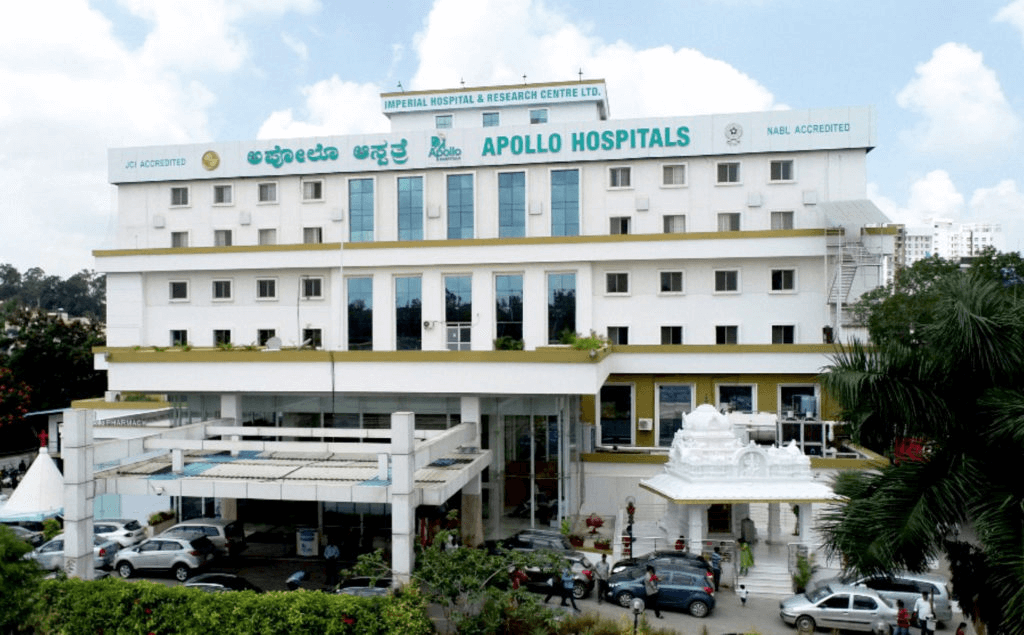

At Cancer Therapy India, Immunotherapy in Bangalore is an advanced cancer treatment approach that utilises the body’s immune system to identify and efficiently destroy cancer cells. This type of biological therapy for cancer boosts the body’s immune system to better recognise and attack cancer cells, as opposed to traditional treatments that may also affect healthy cells.
Today, immunotherapy is utilised in combination with chemotherapy, surgical or radiation therapy. Immunotherapy can be less damaging to healthy tissues than other forms of cancer therapy, since it targets immune cells rather than rapidly growing healthy cells. This approach may also provide long-lasting treatment responses. At Cancer Therapy India, an experienced immunotherapy specialist in Bangalore carefully evaluates each patient to create a personalised cancer treatment plan.
Oncologists will choose particular types of biological therapy depending on how the tumour grows, its behaviour, and its specific biology.
The delivery of immunotherapy varies depending on the drug formulation and the specific requirements of the patient’s treatment plan.
Immunotherapy drugs are classified based on their molecular targets and interactions with the immune system.
Advanced immuno-oncology is effective across a wide range of tissue types and staging profiles, as supported by clinical trials and real-world data.
Lung Cancer
Immunotherapy now plays a major role in the treatment of non-small cell lung cancer (NSCLC) and small cell lung cancer. It is available as a frontline treatment for cases where tumours have high levels of specific biomarkers, and it has shown improved long-term survival compared with standard chemotherapy in selected patients.
Melanoma
One of the first and most successful uses of checkpoint inhibitors has been in the treatment of advanced melanoma. Such therapies have significantly improved long-term survival among patients with metastatic skin malignancies, leading to deep, long-lasting clinical remissions in many.
Kidney Cancer
Immuno-oncology (I/O) protocols work well for renal cell carcinoma (RCC). When the disease is more advanced, experts often use combinations of checkpoint inhibitors or other anti-angiogenic targeted therapies to improve disease control.
Bladder Cancer
Immunotherapy has encouraging response rates in patients with urothelial carcinoma who have failed first-line platinum-based therapy. These agents provide an additional treatment option for patients who are not good candidates for intensive chemotherapy.
Head and Neck Cancers
Immunotherapy is administered to treat recurrent or metastatic Head and Neck Squamous Cell Carcinomas (HNSCC), such as oral and throat cancers, and offers prolonged survival with a manageable side-effect profile.
Blood Cancers (Lymphoma, Leukaemia)
Both monoclonal antibodies and CAR T-cell therapies are used to treat haematological malignancies. These interventions can lead to deep remission in certain forms of acute leukaemia, Hodgkin’s lymphoma and non-Hodgkin’s lymphoma, particularly when conventional treatments are not effective.
Other Advanced and Metastatic Cancers
Clinical indications grow over time, including a range of mismatch repair-deficient (dMMR) tumours, microsatellite instability-high (MSI-H) malignancies, and triple-negative breast cancer, providing late-stage and metastatic treatment options.
At Cancer Therapy India Bangalore, Immunotherapy Treatment follows a structured, organised process that ensures safety and efficacy.
Pre-Treatment Evaluation and Biomarker Testing
To determine whether a patient is a suitable candidate for immunotherapy, molecular testing of the tumour tissue will be performed before treatment begins. These tests help determine PD-L1 expression, MMR defect status and MSI status of the tumour.
Personalised Treatment Planning
A custom-made treatment plan is developed by medical experts, taking into account the patient’s biomarker values and condition. This plan takes into consideration certain combinations of drugs, doses and treatment period.
Administration of Therapy in Cycles
Immunotherapy is administered in sessions every two to four weeks. In each cycle, there is a treatment period and a recovery period.
Monitoring Response and Progress
Treatment is monitored with blood tests and PET-CT scans. They also determine whether any tumour changes are due to true tumour response or to temporary immune-related inflammation.
Follow-Up and Supportive Care
While the patient is in treatment, ongoing follow-up, nutritional and psychological support, and monitoring of delayed immune-related effects are provided.
The therapeutic effect of immunotherapy varies by cancer type and by individual patient. It’s a different mechanism of action; however, it can produce excellent clinical outcomes.
Unlike traditional chemotherapy, the way immunotherapy works is by stimulating your immune system; most side effects will be as a result of an overstimulated immune system attacking the healthy tissues:
Highly trained medical staff specialise in early diagnosis and appropriate treatment of these immune-related adverse reactions. Most inflammatory side effects can be easily managed if they are caught early by stopping the immunotherapy and using targeted corticosteroid therapy.
The duration of immunotherapy is highly individualised and determined by how the cancer responds and how well it is tolerated.
| Parameter | Standard Clinical Approach |
| Frequency of Administration | Typically delivered every 2, 3, or 4 weeks, depending on the drug protocol. |
| Number of Cycles | Individually tailored according to periodic imaging and biomarker assessments. |
| Overall Duration Range | May take several months to up to 2 years for a patient responding well to treatment. |
| Primary Determinants | Based on the maintenance of disease control and the absence of severe adverse events. |
When considering Advanced cancer immunotherapy, it’s important to select an appropriate hospital. Cancer Therapy India offers patients receiving immunotherapy a supportive treatment environment.
Book an Appointment
Schedule a consultation for immunotherapy in Bangalore with our oncology team at Cancer Therapy India to explore personalised treatment options.
Immunotherapy is a form of cancer therapy that involves using the immune system to fight cancer. The immune system is stimulated to recognise and attack cancer cells.
Criteria for eligibility will be based on the type of cancer, advanced biomarker testing results, and the stage of cancer. This therapy often works best for patients whose tumours are positive for certain proteins, such as PD-L1, or who exhibit a high level of genetic instability.
The most common side effects are flu-like symptoms, skin rashes, and persistent fatigue. Since it is a treatment that stimulates the immune system, it can also trigger inflammation in healthy organs, such as the lungs, colon, or liver, which medical teams manage using corticosteroids or other immunosuppressive medications.
The total treatment time depends on the tumour’s response to the medicine and the patient’s overall tolerance. While some regimens last for a few months, many stable or responding patients continue treatment cycles every few weeks for up to two years.